

Fall 2024

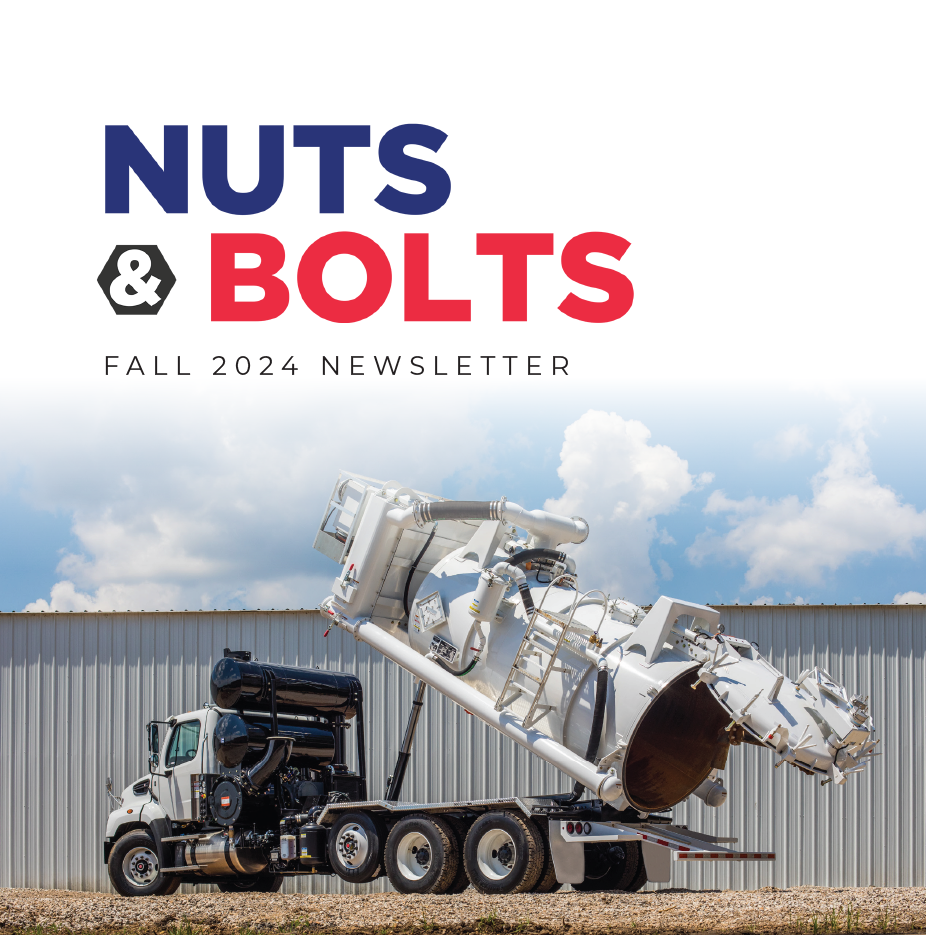
Ledwell Nut & Bolts Newsletter - Fall 2024

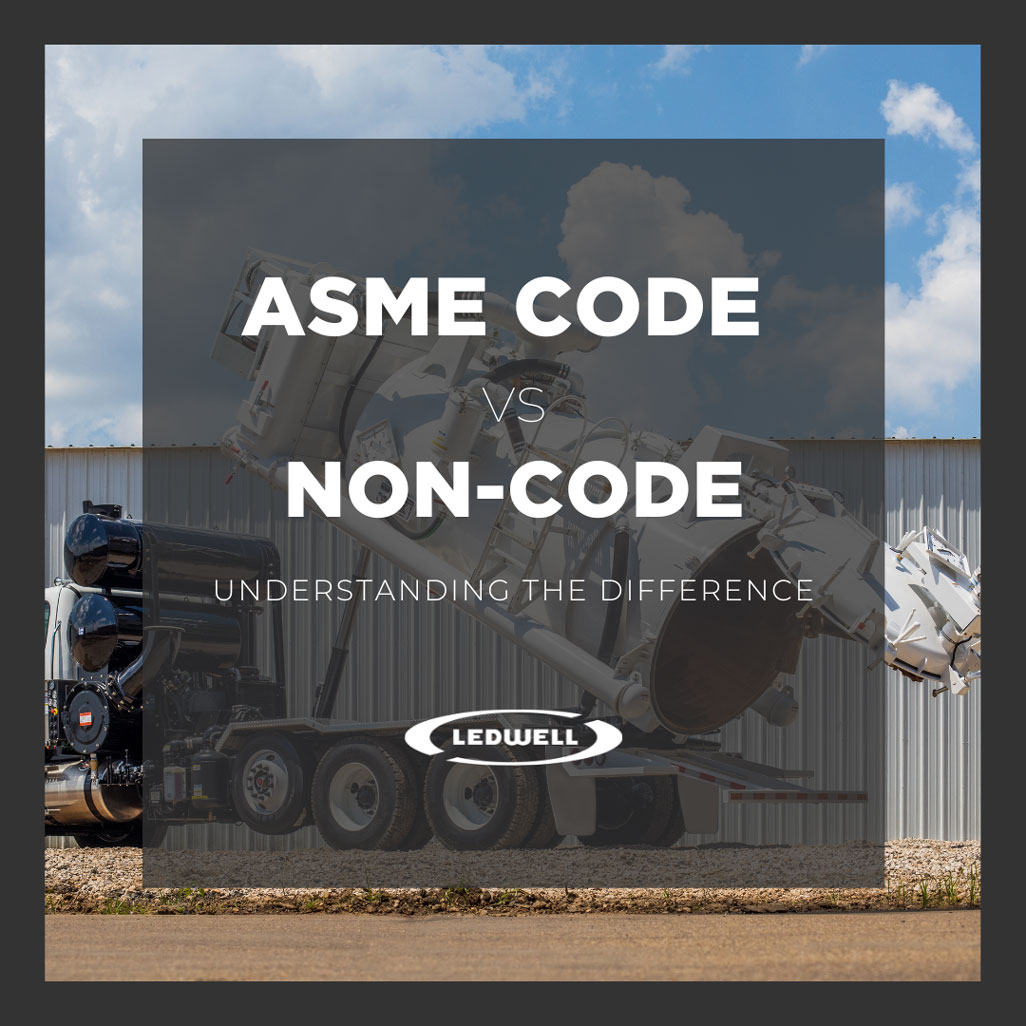
ASME Code vs Non-Code Tanks: Understanding the Difference


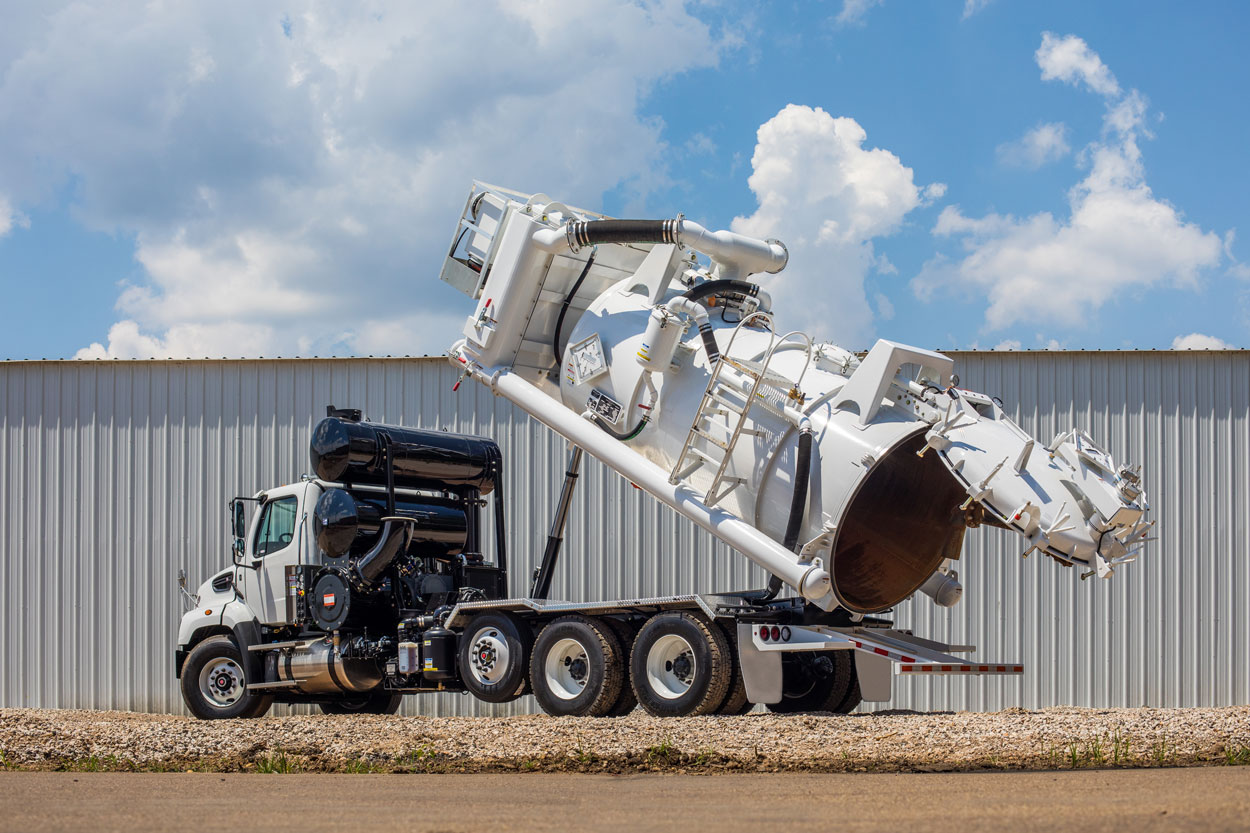
Vacuum tanks are pressure vessels designed to operate under negative pressure conditions. They are commonly used in various industrial applications requiring a vacuum, such as the chemical, pharmaceutical, and food processing industries. There are two types of vacuum tanks: ASME code and non-code. Follow along to understand the difference between ASME code and non-code vacuum tanks.

Read more

Step By Step Guide: Pairing Your Wireless Remote


The Ledwell Wireless Remote Kit is convenient for operating equipment from a distance without cumbersome cords or cables. Follow these steps to guide you on how to pair a Ledwell wireless remote with a receiver.


Read more

Employee Spotlight: Shannon Bradford


Shannon Bradford has been a valued part of the Ledwell team for 20 years, starting in our Trailer Shop and working his way up to foreman of the Post-Production Trailer Shop. Now, he’s taking on a new challenge as the General Manager of Ledwell East in North Carolina!


Read more

Buddy Award Winners


The Buddy Award is an employee recognition program honoring individuals who embody Buddy Ledwell’s spirit. Recipients are celebrated for their unwavering commitment to our core values: Quality, Grit, Legacy, and Family.

These outstanding team members excel in their roles and inspire others. The Buddy Award is a testament to their hard work, integrity, and positive impact at Ledwell.

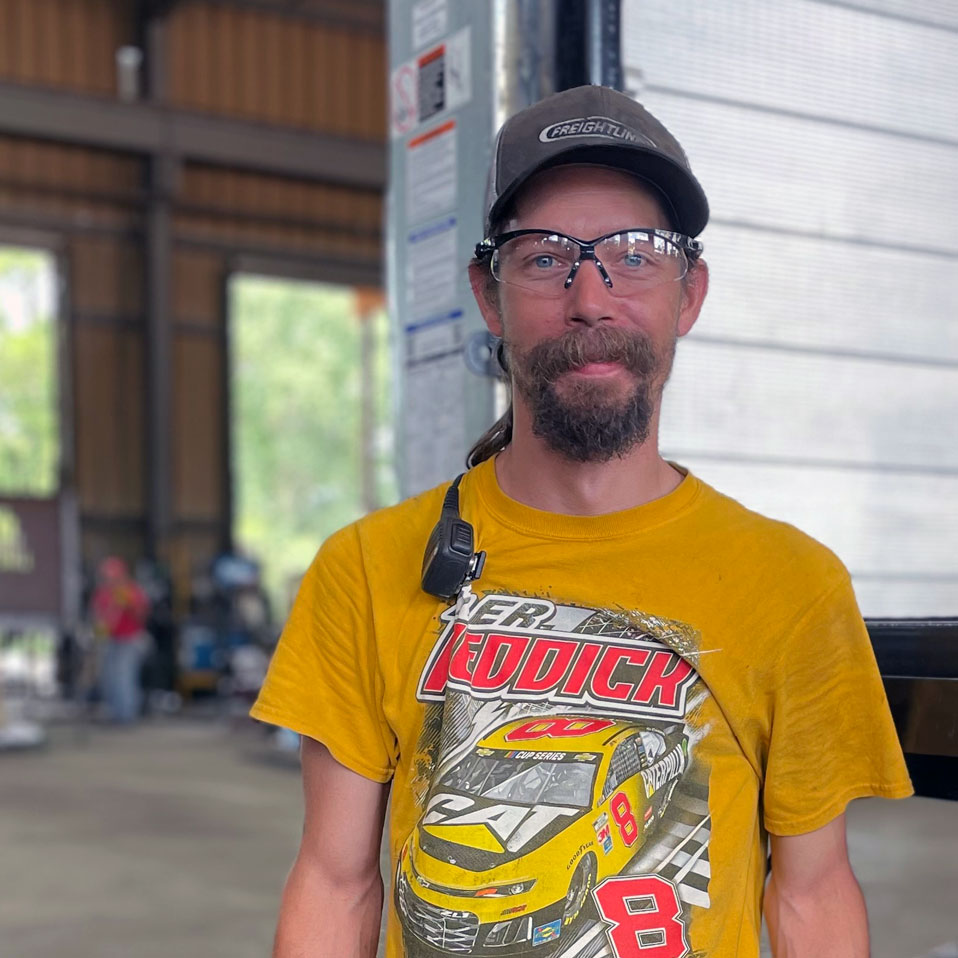
Michael Tucker

Truck Shop

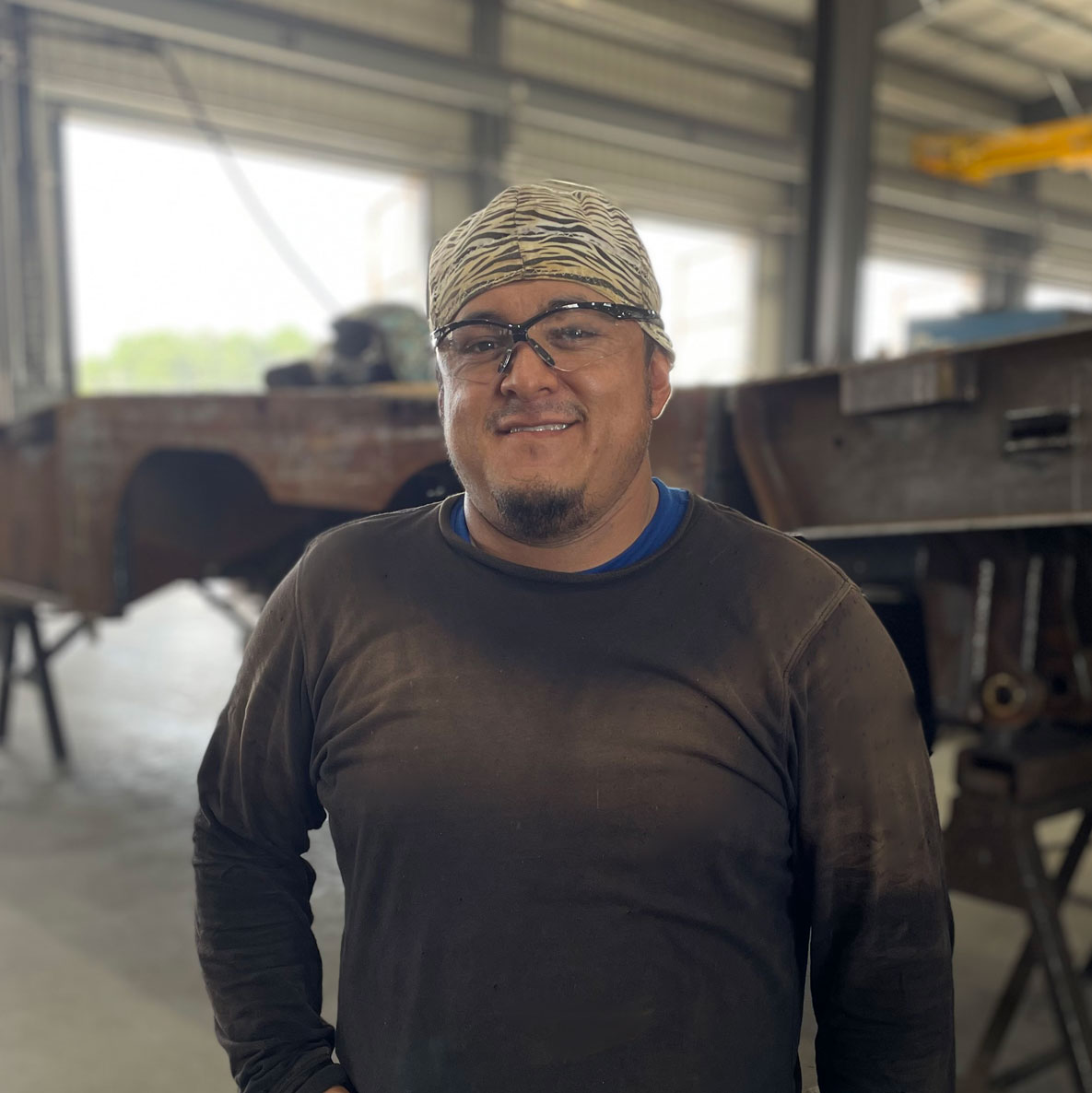
Toby Sierra

Trailer Shop

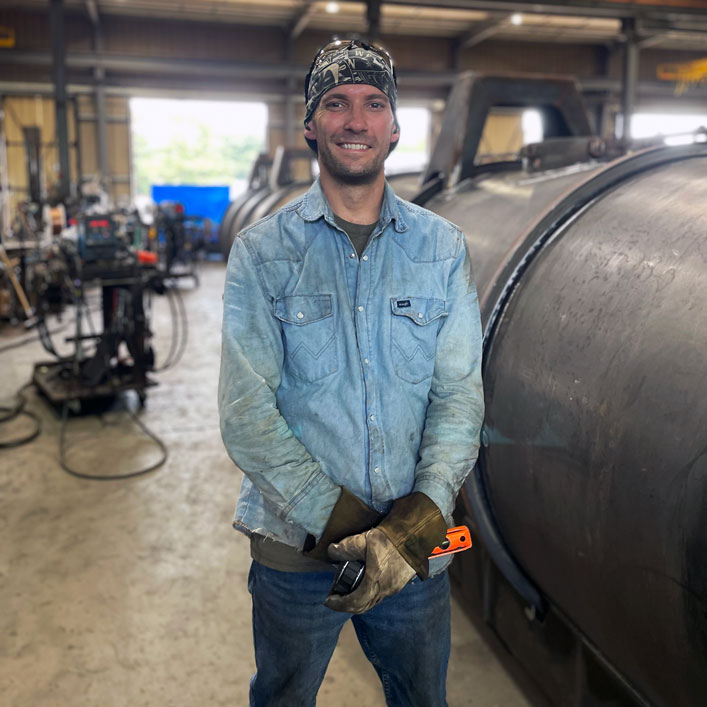
Lawson Lawrence

Fabrication Shop

Grow Your Business and Keep More Cash with Section 179


Section 179 Tax Deduction helps businesses save money. It allows companies to subtract equipment, vehicles, and software costs from their taxes if they buy them during the year. Section 179 helps businesses grow by enabling them to buy what they need while keeping more money to use in other ways.

Download Info Sheet

Engineers Sharpen Skills at Cargo Tank Training


Two of our engineers recently attended the NTTC Cargo Tank Test & Inspection Course, held in St. Louis by the National Tank Truck Carriers (NTTC). The course was designed to educate participants on the inspection and recertification of cargo tanks, especially those used for on-road transportation.

Read more

Las Vegas

January 12-15

IPPE

Atlanta

January 28-30

The ARA Show

Las Vegas

January 29-February 1

Ledwell trucks are built to last! Reliable, rugged, and perfect for heavy-duty work. The craftsmanship is outstanding, backed by an excellent warranty that gives you peace of mind. Customer service is top-notch, and the trucks consistently exceed expectations. A solid investment for any business!

Vincent GalganoSonsray Machinery

The Ledwell HydraTail truck allows us unmatched efficiency in our machinery hauling. The tail is strong and is long enough to set up a loading angle that even our rollers and scissors can handle. We are happy to recommend Ledwell equipment to our industry friends.

Chris ClintonAll Star Equipment


Stay in the know with the Ledwell Newsletter.

Don’t miss out on the latest innovations and happenings. Stay in the loop with the Ledwell newsletter.

Send me the Nuts & Bolts

Engineers Sharpen Skills at Cargo Tank Training

Ledwell attends NTTC Conference

Recently, two of our engineers, Will Norton and Gary Gathright, attended the NTTC Cargo Tank Test & Inspection Course, which was held in St. Louis by the National Tank Truck Carriers (NTTC). The course was designed to educate participants on the inspection and recertification of cargo tanks, especially those used for on-road transportation.

At Ledwell, we manufacture tankers under specific regulations set by the American Society of Mechanical Engineers (ASME), specifically DOT 407/412 vacuum tanks. These regulations are revised every few years, so our team must stay up-to-date. The course was a refresher for Gary, who is already a certified design engineer, and an important step for Will to become a design-certifying engineer.

The training emphasized ensuring that the designs and processes we use for our tankers meet the latest safety and legal standards. By staying current with these regulations, we ensure that the vacuum tanks we build are compliant with the law and safe for everyone on the road.

Ledwell attends NTTC Conference

ASME Code vs Non-Code Vacuum Tanks: Understanding the Difference

ASME Code vs Non-Code Vacuum Trucks - Understanding the Difference

Vacuum tanks are pressure vessels designed to operate under negative pressure conditions. They are commonly used in various industrial applications requiring a vacuum, such as the chemical, pharmaceutical, and food processing industries.

There are two types of vacuum tanks: ASME code and non-code. Follow along to understand the difference between ASME code vs non-code vacuum tanks.

ASME Code Vacuum Tanks

The American Society of Mechanical Engineers (ASME) is a professional organization that sets standards and codes for the design, fabrication, and inspection of pressure vessels, including vacuum tanks. ASME code vacuum tanks are designed and built according to the ASME Boiler and Pressure Vessel Code (BPVC), which provides guidelines for their safe construction and operation.

ASME code vacuum tanks are subject to rigorous design, fabrication, and inspection requirements. A qualified design-certifying engineer must design these tanks. They must also be fabricated by an ASME-certified manufacturer and inspected by an ASME-approved inspector before being put into service.

Ledwell Vacuum Truck DOT Certified

Non-Code Vacuum Tanks

Non-code vacuum tanks, on the other hand, are not designed or built according to any specific code. Although their designs follow many of the same features, they do not require design and fabrication by certified manufacturers. One noticeable difference is that, unlike ASME code tanks, non-code vacuum tanks don’t have to include roll-over bars at the top.

While non-code vacuum tanks may be less expensive than ASME code tanks, they may also pose a greater risk of failure or rupture. Non-code tanks are not subject to the same rigorous inspection requirements as ASME code tanks, and they may have different levels of quality control during fabrication.

Which Vacuum Tank is Right for You?

When choosing a vacuum tank, consider your application and the level of safety and reliability required. If your application involves hazardous materials, high-pressure differentials, or critical process conditions, an ASME code vacuum tank may be the best choice. ASME code tanks offer higher safety and quality assurance and are designed to meet strict performance standards.

However, if your application is less demanding or requires a lower level of performance, a non-code vacuum tank may be a more cost-effective option. Non-code tanks are typically less expensive than ASME code tanks and may be more suitable for applications that do not require the same level of regulatory compliance.

When choosing between ASME code vs non-code vacuum tanks, consider your application and the level of performance and safety required to ensure that you select the right tank for your needs.

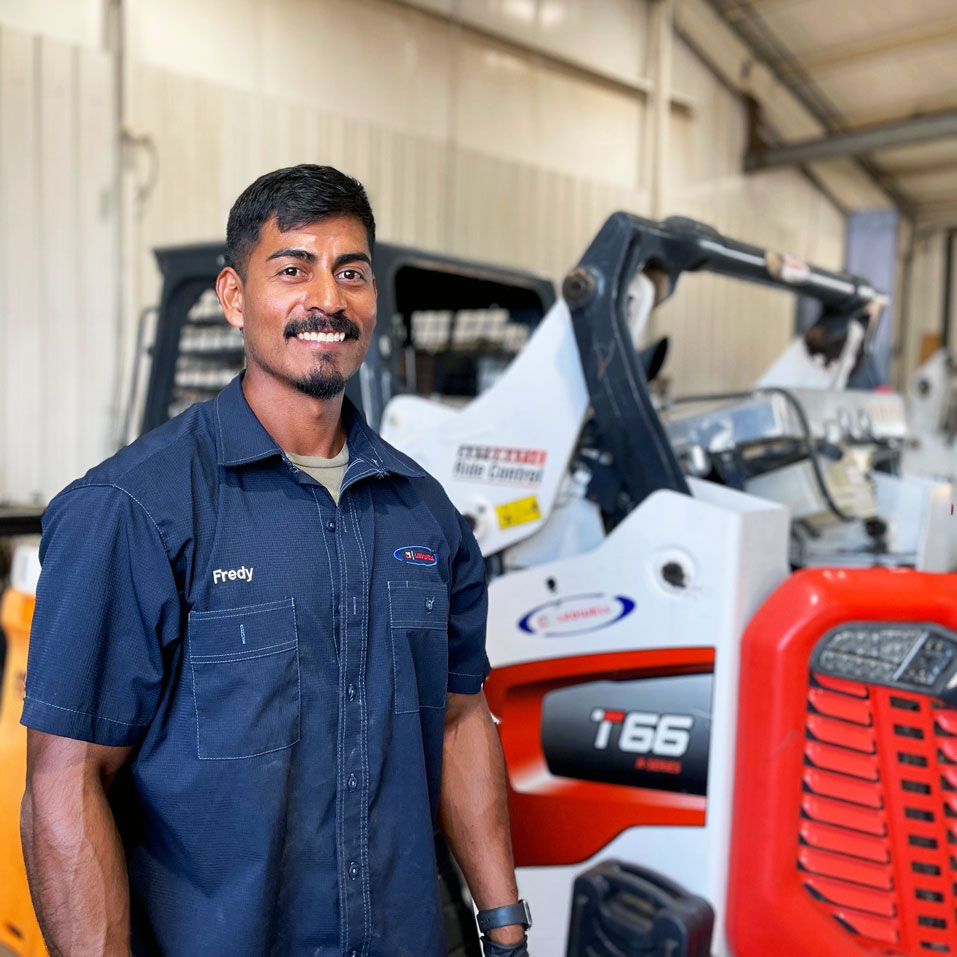
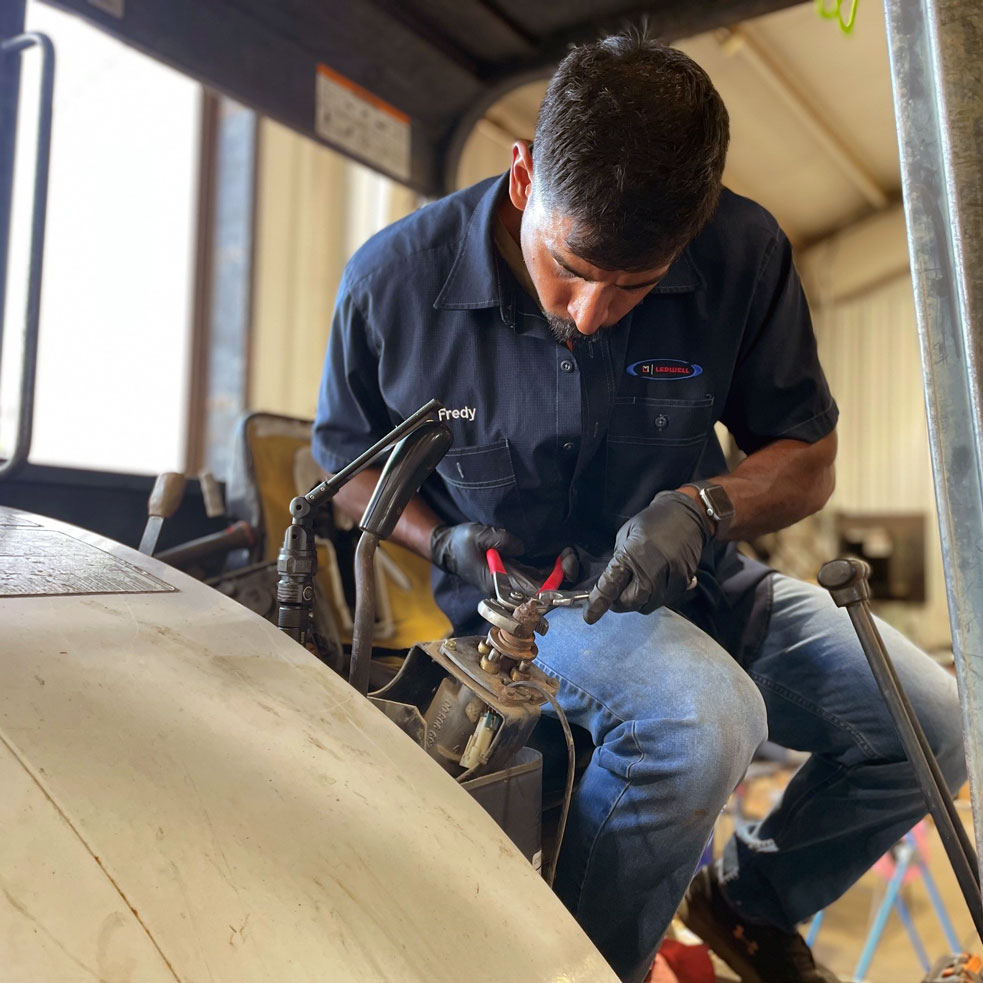
Fredy Montalban

Fredy Montalban has been a valued member of the Ledwell family since 2008. He began his journey in the Tank Shop as a welder, honing his skills before transitioning to the Fabrication Shop, where he manufactured vacuum tanks. Today, Fredy is a Bobcat Tech at Ledwell’s sister company, Ledwell Machinery.

Reflecting on his career evolution, Fredy says, “I liked welding, but really enjoy what I am doing now. Every machine is different, and finding each issue makes it a challenge.”

One of his proudest achievements was helping to design a hydraulic cooling system for a specific machine. “It brought Ledwell and Ledwell Machinery teams together to solve a problem for a customer,” he shares with pride.

He is incredibly proud to work at Ledwell because of the supportive environment created by his supervisor and the company owners. “They take care of you and look out for you,” he says.

Fredy believes the most important skill he has gained is a willingness to learn, which continues to serve him well as he tackles new challenges daily. 

Outside of work, Fredy and his wife, Ceydi, are raising three children—two girls and a boy. His greatest source of inspiration is his mom. “She always pushed us to do better and make us the best people we could be,” Fredy reflects.

We are grateful to have Fredy on the Ledwell team and look forward to seeing what challenges he tackles next!

Unlock Tax Benefits with Section 179 Deduction

Unlock Tax Benefits with Section 179 Deduction

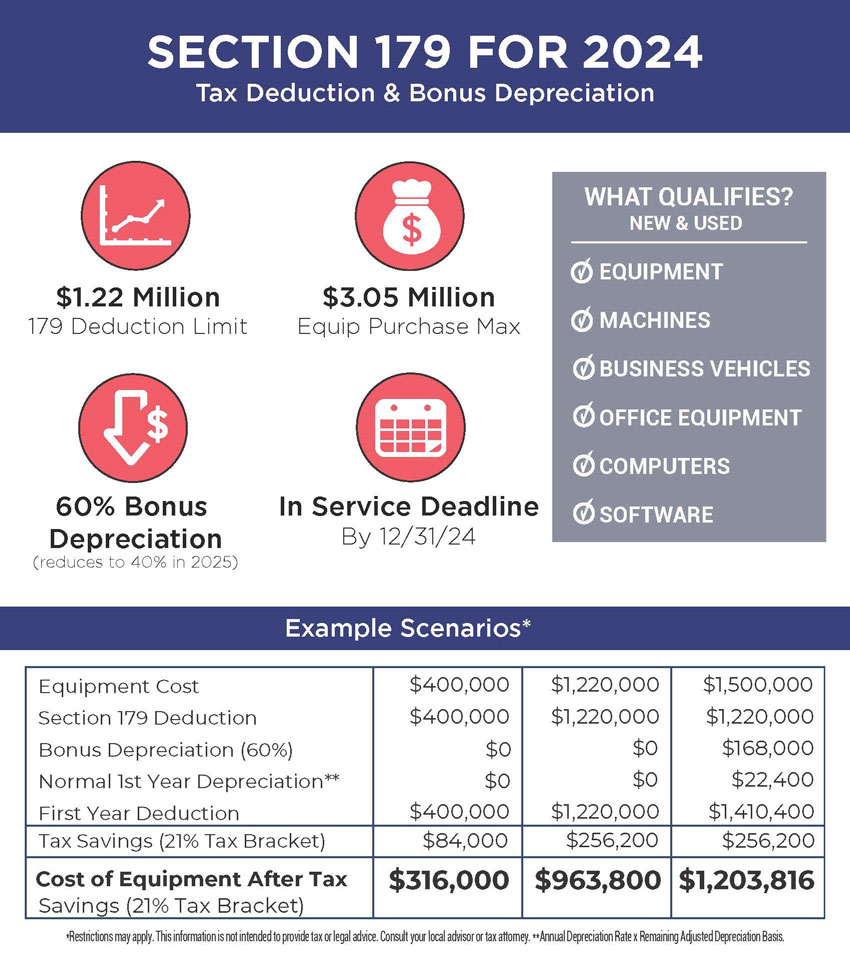
The Section 179 Deduction is a valuable tax incentive, allowing businesses to keep more money while investing in the equipment they need to grow. This part of the IRS tax code enables companies to deduct the full purchase price of qualifying equipment, software, or vehicles bought or financed during the tax year.

What is Section 179?


Traditionally, businesses spread out the cost of equipment purchases over many years when filing their taxes. Section 179 allows businesses to immediately deduct the full cost of qualifying equipment, providing a quicker return on investment. This increases financial flexibility by reducing tax bills in the year of purchase.

2024 Section 179 Deduction Limits


For 2024, businesses can deduct up to $1,220,000 of qualifying purchases, an increase from 2023’s limit of $1,160,000. In addition, businesses can purchase up to $3,050,000 in total equipment and still take full advantage of the deduction.

Businesses can still benefit from bonus depreciation if the equipment purchase exceeds this amount. In 2024, bonus depreciation allows businesses to deduct an additional 60% of the cost of their equipment, providing further tax savings.

Qualifying Equipment


A wide range of equipment qualifies for the Section 179 deduction, including new and used machinery, business vehicles, and software. The key requirement is that the equipment be purchased and put into service between January 1, 2024, and December 31, 2024.

Why Use Section 179?


Section 179 makes it easier for businesses to invest in growth while improving their bottom line. By deducting the total equipment cost immediately, businesses can increase their financial flexibility and invest in the tools they need to operate more efficiently.

Section 179 allows businesses to reduce operating costs, lower their tax burden, and ultimately enhance their ability to grow and succeed.

Lawson Lawrence

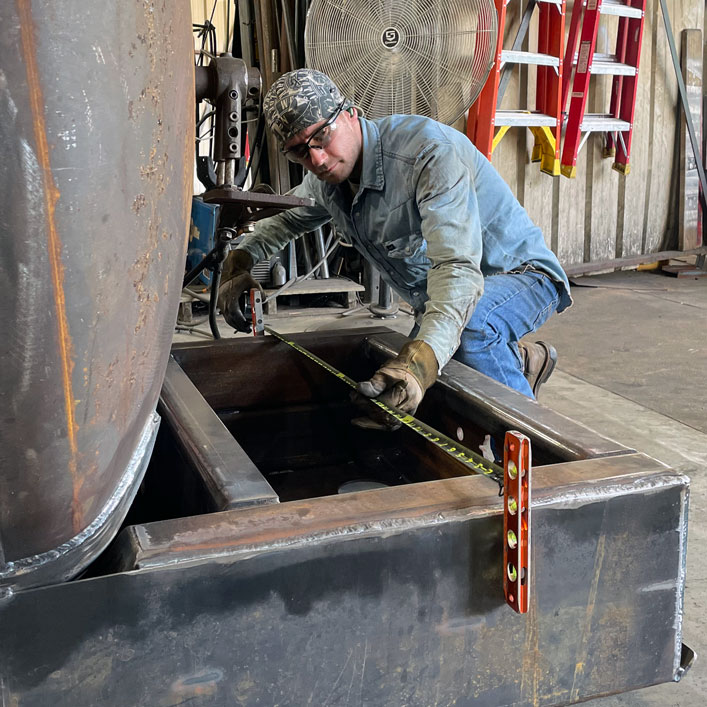
Lawson Lawrence joined Ledwell in 2016 as a welder in our Tank Shop. He now resides in our Fabrication Shop manufacturing vacuum tanks, a skill he honed after earning his ASME Code Welding Certificate almost five years ago. 

Lawson set high standards for himself when pursuing that certificate, pushing hard to achieve it. Though it felt like months, he completed it in just three weeks. When asked for advice for anyone taking their code welding test, he says, “Stay calm and listen to experienced welders. Their knowledge will help more than you know.”

His foreman, Brad Stringer, said, “Lawson is one of those you can give a task to and not worry about it getting done quickly and correctly.”

He is currently working on Salt Water Trailers, which have become one of his favorite pieces of equipment to build.

Ledwell lives by four values – quality, grit, legacy, and family. The one that resonates most with Lawson is Family.

“There is a strong family environment here. Nothing else like it in Texarkana. We support each other,” he says. 

Outside his Ledwell family, Lawson is married to Catherine, and they share their home with an Alaskan Husky named Albert. He enjoys taking walks with them at a local park, painting, and attending concerts when he can. Lawson also gives back to the community, having volunteered his artistic skills by painting a wine barrel for the Twice as Fine Wine Festival, which benefits the Alzheimer’s Alliance Tri-State.

Thank you, Lawson, for your dedication, hard work, and the example you set every day. Your commitment to excellence and willingness to support your team make a real difference. We’re proud to have you as part of the Ledwell family.

Toby Sierra

Toby Sierra - Ledwell Employee Spotlight

Toby Sierra has been a valued member of the Ledwell team for 17 years.

From his first day, he worked in the Trailer Shop. Even though he specializes in manufacturing hydraulic trailers from raw materials, his welding skills have contributed to building other products in that shop, including feed trailers and dump beds, as needed.

Toby has been married to Maria since 2005, and they have two children. In his free time, Toby enjoys spending time with his family at the river, cooking out, and riding four-wheelers.

Thinking about what brings him pride at Ledwell, Toby said, “putting out quality work and treating it as if it’s my own.” 

His foreman, Cliff Harvin, adds, “Toby is one I can pair a new employee with, and he will teach them the Ledwell way. I can count on him to do the right thing; he does it with pride.”

A standout project for Toby was building a special trailer with two headboards designed to pick up concrete slabs. This job was memorable for him due to the unique challenges it presented and the advanced skills it required.

Over the years, Toby has become the go-to person for training new employees in the Trailer Shop, which allows him to pass on his knowledge and helps him refine his skills.

Toby advises those looking to get into welding or the manufacturing industry to “Learn the basics, like how to read a tape measure; it’s more important than you realize.” He also advises, “Try to do your best, and if you mess up, fix it and do it again.”

Ledwell is proud to have dedicated and skilled workers like Toby Sierra on the team.

Ledwell Employee Spotlight - Toby Sierra
Toby Sierra - Ledwell Employee Spotlight

How to Apply Truck Safety Decals Like a Pro

dump truck decals
ledwell truck safety decals

Easily Apply Truck Safety Decals

Applying your decals is simple and effective. Check out our detailed guide for step-by-step instructions to ensure a flawless finish. With just a few common tools, such as scissors, a tape measure, and isopropyl alcohol, you’ll be equipped to apply your decals like a pro.

Decal Installation Tools Needed

  • Scissors
  • Paper Towels
  • Tape Measure
  • Plastic Applicator Squeegee
  • Isopropyl Alcohol
  • Warm Water or Common Household Cleaner

Things to Consider

Surface Texture: Our decals work best on smooth, non-porous surfaces like glass and metal. Due to our high-performance vinyl, they can last up to 8 years. Avoid rough surfaces.

Temperature: The ideal application temperature is between 60 and 74 degrees Fahrenheit. This is usually the average temperature of most businesses, but keep this in mind when applying decals in a garage or outdoors.

How To Apply Truck Safety Decals

1. Clean the surface thoroughly

Smooth, non-porous surfaces like glass or metal work best. Clean the area thoroughly, avoiding glass cleaner as it may leave a residue. Use isopropyl alcohol as a final cleaner to ensure no residue remains. Make sure the surface is dry.

2. Measure the area, and align your decal

Use a line of text as a reference point to ensure the decal is level.

3. Prepare the safety decal

Cut out the individual decal from the kit. Peel off the top half of the backing.

4. Apply the top half of the truck decal

Using a squeegee, press and apply the decal to the surface with a back-and-forth motion.

5. Apply the bottom half of the warning decal

Peel off the lower half of the backing. Press and apply the decal to the surface in the same back-and-forth motion.

6. Finish and admire your work!

Stand back and admire your work!Enjoy your beautifully applied decal! If you need further assistance, don’t hesitate to reach out to us. Ledwell experts are always here to help!

Ledwell Made Guarantee on all manufactured products

Ledwell Made Guarantee

We back every product with the Ledwell Made Guarantee.

When you become a Ledwell customer, one of the many services you can expect is express shipping. You don’t have to wait for parts. We manufacture more than 85% of our parts in-house and ship 99% within 24 hours of your request.

Contact Our Experts

Preventative Maintenance: The Season Savior

Seasonal changes can affect your equipment’s performance, but with the right service tips, you can ensure smooth operation year-round. Here are some essential tips to keep your equipment running efficiently:


1. Follow Maintenance Schedules

Stick to specific maintenance schedules to keep your equipment in good shape. Different seasons bring different challenges, and your equipment needs to be ready for each. We’ve created several Preventative Maintenance sheets to help you prepare your equipment for various conditions and get the most out of it.


2. Routine Checks

Regular checks are essential. Routine checks help catch minor issues before they become major problems. For instance, greasing the landing gear may only need to be done once a year, but other tasks, such as checking fluid levels and inspecting for wear and tear, should be done more frequently. We provide easy access to preventative maintenance tips and answers on our social media outlets to help you stay on track.


3. Use the FAQ Page

For more detailed information, our FAQ page on our website offers specific guidance on various maintenance issues. Whether you need to know how to handle specific weather conditions or what tools are best for certain tasks, our FAQ page is a valuable resource. If you need further assistance, don’t hesitate to give us a call.


4. Seasonal Preparations

Each season brings its own set of challenges. In the winter, cold weather can affect battery performance and fluid viscosity, while summer heat can cause overheating and tire issues. Our Preventative Maintenance sheets include season-specific service tips, such as how to prepare your equipment for freezing temperatures or how to manage overheating risks during hot months.


5. Regular Cleaning

Regular cleaning is important. Dirt, grime, and debris can cause parts to wear out faster and lead to malfunctions. Clean your equipment regularly, especially after exposure to harsh weather conditions or rough working environments. This simple step can greatly extend the life of your machinery.


6. Training and Education

Make sure everyone who operates or maintains your equipment is properly trained. Knowledgeable operators and maintenance personnel can identify potential issues early and perform necessary maintenance tasks correctly. Consider providing ongoing training and resources to keep your team updated on best practices.


At Ledwell, we’re committed to ensuring your equipment performs at its best. By following these service tips and maintaining a rigorous maintenance schedule, you can keep your equipment running smoothly for a long time. Whether you’re using our Preventative Maintenance sheets, checking our FAQ page, or reaching out to us directly, we’re here to support you. Let us know how we can help you maintain optimal performance.

Water Trucks 101: A Comprehensive Guide for Business Owners

Quality Water Trucks - Ledwell Water Tank Truck

Whether you’re in construction, agriculture, or firefighting, having the right water truck for the job is crucial. Ledwell, a trusted name in the industry, offers a range of top-quality water trucks designed to meet our customers’ diverse needs.

The Versatility of Water Tankers

Different industries rely on water trucks for a multitude of tasks. Ledwell stands out as a leader, providing water tanks optimized for performance and longevity. Let’s explore the top six applications for water trucks and the benefits they bring:

Dust Control:

Water trucks are essential for suppressing dust and airborne particles. They create safer work environments in the construction, mining, and race track sectors. Using Ledwell’s water tanks reduces dust infiltration into machinery, decreasing maintenance costs.

Soil Compaction:

Water trucks are crucial in moistening dry soil in construction and road-building projects, making compaction easier and more efficient. Ledwell’s water tanks facilitate smooth compaction operations while minimizing dust generation and maintaining clean work sites.

Farming:

Agricultural enterprises, vineyards, and orchards rely on water trucks to ensure optimal growth and yield of crops. Ledwell’s water tank trucks support soil conservation efforts and mitigate the effects of drought by supplying water during dry spells.

Street Cleaning:

Municipalities and road maintenance contractors use water trucks to clean streets and sidewalks. These trucks are ideal for reducing slip-and-fall accidents while removing dirt and debris. Ledwell’s water tanks help enhance cleanliness and prevent pollutants from entering waterways, promoting public health and safety.

Fire Control:

Quality water trucks are vital for suppressing wildfires and protecting lives, property, and natural habitats in firefighting and emergency response scenarios. Ledwell’s water tank trucks provide firefighters with a reliable water source and enhance firefighting efforts with quick water deployment.

Potable Water Delivery:

During disasters or humanitarian crises, water trucks deliver clean drinking water to communities lacking access to municipal systems. Ledwell’s potable water trucks support disaster relief efforts and promote public health and hygiene in affected areas.

2000 Gallon Quality Water Trucks For Sale

Elevating Water Truck Performance: Unveiling the Added Benefits

In the world of water trucks, Ledwell offers top-tier models and incorporates many benefits that enhance functionality and reliability. Let’s dive into the added advantages that improve the performance of these industry-leading water trucks:

Bumper/Hose Reel:

   – Equipped with a rear hose reel housed within a frame-mounted protective enclosure.

   – Features a storage box for side nozzles, suction hoses, and other essential equipment.

Valves & Plumbing:

   – Includes an internal primer tank ensuring readiness to pick up water always.

Keel:

   – Boasts a quad-bent design with 1,100″ tank support, ensuring structural integrity.

   – Features scalloped, interior welded seams to eliminate linear cracking.

   – Internal piping is welded before tank installation and tested to withstand up to 120 psi of pressure.

Lights:

   – A sealed wiring harness is incorporated for enhanced durability and longevity.

Liner:

   – Tanks undergo blasting inside and outside before applying a two-part VOC-free liner.

   – The liner boasts a finished thickness of 30 mils, ensuring compliance with potable water standards.

Pump:

   – Features an American-built pump with ample stock availability.

   – Boasts a 1 ¼” input shaft with a two-bearing system and a 3″ diameter drive-line rated at 500 ft lbs of torque at 3500 rpm.

   – Discharges at higher pressures while safeguarding the pump and drive-line during shutdown.

Weight:

   – For 2,000 Gallon models, it meets Federal Bridge Law Limits at 33,000 GVW trucks and includes a cab-view water level gauge, essential for 26,000 GVW trucks.

   – Incorporates American-made air-operated valves and in-cab controls for added reliability.

Miscellaneous:

   – Each tank undergoes water loading and testing in various scenarios to ensure optimal performance.

   – Fully baffled tank design includes cross-sectional and longitudinal baffles.

   – Ledwell’s commitment to customer service is evident through same-day shipping of parts and prompt phone support.

   – Maintains consistent stock availability, ensuring water truck readiness.

   – Every water truck is built with uncompromising quality and dedication to customer satisfaction.

Ledwell water trucks excel in performance and reliability and set new functionality and customer satisfaction standards. Experience the difference with Ledwell’s commitment to excellence in every aspect of quality water truck design and manufacturing.

Ledwell Water Tank Trucks For Sale

Top-Selling Quality Water Truck Models: Designed for Performance and Reliability

When selecting the right water truck for your business needs, Ledwell offers two top-selling models that stand out for their exceptional performance and reliability. Let’s take a closer look at these industry-leading water trucks:

2000 Gallon Water Truck:

With a 2000-gallon tank capacity and a powerful PTO-driven pump, the Ledwell 2000 Gallon Water Truck is a versatile solution for various applications. Whether you’re tackling dust control on construction sites or providing essential irrigation for crops, this water truck is up to the task. Equipped with in-cab controls, a side spray option, an enclosed hose reel with storage, and multiple filling options, it offers unmatched convenience and flexibility for businesses.

One of the standout features of the 2000 Gallon Water Truck is its ability to deliver consistent performance in any environment. From compact construction sites to expansive agricultural fields, this water truck ensures efficient water distribution with precision and ease. Plus, its protective interior coating provides added durability, ensuring long-lasting performance even in the harshest conditions.

4000 Gallon Water Truck:

For large-scale water projects that demand maximum capacity and efficiency, the Ledwell 4000 Gallon Water Truck is the ultimate choice. With a massive 4000-gallon tank capacity and independent spray functionality, this truck can easily handle the most demanding challenges. Whether fighting wildfires or delivering potable water to disaster-stricken communities, this truck provides unmatched performance and reliability.

Engineered with high-strength steel and a protective interior coating, the 4000 Gallon Water Truck can withstand the rigors of heavy-duty use. Its crosswise and longitudinal baffles ensure stability during transport, while its multiple filling options offer added flexibility for businesses. With DOT-approved lights, reflectors, and conspicuity tape, this water truck prioritizes safety without compromising performance.

Choosing the Right Water Truck for Your Business:

Reliability and performance are paramount when investing in a water truck for your business. Ledwell’s top-selling water truck models exceed expectations, offering unmatched durability, efficiency, and versatility. Whether you opt for the 2000 Gallon Water Truck or the 4000 Gallon Water Truck, you can trust that you’re getting a quality water truck manufactured to deliver results.

With Ledwell’s commitment to excellence and customer satisfaction, you can have peace of mind knowing that your water truck will meet and exceed your expectations. Invest in a Ledwell water truck today and experience the difference firsthand. From dust control to firefighting, Ledwell has you covered with top-of-the-line water truck solutions built to perform every time.

Our Ledwell Fire Tanker works great. Fires on the side of the highway are a breeze for us to handle.

Frank AppleberryTillar Volunteer Fire Department

Our Water Truck looks great! Thank you for the professional service. Looking forward to doing business in the future.

Gary M.Department of Energy

Everything from parts to service is always great and that's why we keep coming back to Ledwell.

Chuck G.Branch Manager

Ledwell makes us look like heroes to our customers!

Brian MelaniThompson Machinery

We appreciate the excellent service and quality products Ledwell delivers.

Bob NallyApache Rentals

Mastering Water Truck Maintenance

Proper maintenance is vital to ensuring the longevity and performance of your water truck. Ledwell provides comprehensive maintenance guides and FAQs to help equipment owners navigate routine servicing and troubleshooting. From pump output to safety precautions and operating instructions, Ledwell’s resources empower businesses to maximize the efficiency and reliability of their equipment.

Why Maintenance Matters:

Routine maintenance plays a crucial role in your water truck’s overall health and performance. By adhering to a structured maintenance plan, you can:

– Maximize Efficiency: Regular maintenance ensures that your equipment operates optimally, delivering peak performance with every use.

– Extend Lifespan: Proper servicing and care can significantly extend the operational life of your water truck, minimizing the need for costly repairs or replacements.

– Reduce Costs: Preventative maintenance helps minimize downtime and reduces the risk of unexpected breakdowns, saving you time and money in the long run.

– Ensure Safety: Regular inspections and servicing help identify potential issues before they escalate into safety hazards, ensuring a safe working environment for operators and bystanders.

Sticking to a Structured Maintenance Plan:

A structured maintenance plan is the key to optimizing equipment performance and ensuring its durability and reliability. Here’s a step-by-step guide to mastering water truck maintenance:

  1. Preventative Inspections:

Regularly inspect your water truck for signs of wear and tear, including hoses, valves, and fittings. Look for leaks, cracks, or any damage that may affect performance. Pay special attention to critical components such as the water tank, pump, and spray heads.

  1. Fluid Checks:

Monitor fluid levels, including water, hydraulic fluid, and coolant, to ensure proper lubrication and cooling of components. Top up fluids as needed and replace any contaminated fluids promptly to prevent damage to vital systems.

  1. Filter Replacement:

According to manufacturer recommendations, replace filters, such as air, oil, and fuel filters. Clean or replace filters regularly to maintain optimal engine performance and fuel efficiency.

  1. Greasing and Lubrication:

Grease fittings and lubricate moving parts, such as hinges, joints, and bearings, to prevent friction and wear. For best results, use high-quality lubricants recommended by the manufacturer.

  1. Electrical System Checks:

Inspect electrical connections, wiring, and components for signs of corrosion or damage. Test batteries and charging systems regularly to ensure reliable operation.

  1. Brake Inspection:

Check brake pads, rotors, and hydraulic systems for wear and proper function. Replace worn brake components and bleed hydraulic systems as needed to maintain braking performance.

  1. Tire Maintenance:

Monitor tire pressure and tread wear regularly to ensure safe operation. Rotate and replace worn or damaged tires promptly to prevent accidents and improve traction.

  1. Fluid Flushes:

Periodically flush and replace fluids, such as coolant, hydraulic, and brake fluid, to remove contaminants and maintain system integrity. Follow manufacturer recommendations for fluid types and replacement intervals.

  1. Safety Inspections:

Conduct thorough safety inspections, including lights, brakes, steering, and emergency systems, to ensure compliance with regulations and minimize risks of accidents or injuries.

  1. Documentation:

Keep detailed records of maintenance activities, including dates, tasks performed, and parts replaced. Use these records to track maintenance schedules, identify trends, and plan future servicing.

By following this structured maintenance plan and staying proactive in caring for your water truck, you can maximize its lifespan, minimize downtime, and ensure reliable performance for years to come.

Mastering water truck maintenance is essential for maximizing productivity, efficiency, and safety in your business operations. Ledwell’s comprehensive maintenance guide gives you the tools and knowledge to effectively care for your water truck and keep it operating at peak performance. Invest in regular servicing and preventative maintenance to ensure the longevity and reliability of your water truck, and enjoy years of trouble-free operation.

Frequently Asked Questions About Your Ledwell Water Truck

Operating and maintaining heavy equipment like water trucks can sometimes raise questions and uncertainties. That’s why we’re here to provide clear and concise answers to some of the most common inquiries regarding your Ledwell Water Truck. Whether you’re curious about pump output, safety precautions, or maintenance procedures, we’ve got you covered. 

Let’s address these top ten frequently asked questions to ensure you get the most out of your water truck.

What should the output of my water truck be?

Our water pumps deliver about 350 gallons per minute (GPM) at a speed of 2000 RPM with about 55 pounds per square inch (PSI). You can expect a spray pattern 55 feet wide by 30 feet deep and a side spray reaching 65 to 75 feet out. Most power take-offs (PTOs) operate in the 111% to 126% range, with the pump peaking at 2400-2500 RPM.

Can I haul and spray other liquids with my water truck?

Our tanks have an interior coating to protect against corrosion. While it tolerates most chemicals, avoid strong acids, aromatic hydrocarbons, ketones, and chlorinated solvents. Always check the content before loading mixed products.

The pump on my water truck is leaking. How do I fix that?

If your pump leaks, it is working correctly to keep the packing cool. It should drip 40 to 60 drops per minute. Adjust the packing gland ring and the two threaded studs holding it to achieve proper dripping. It’s time to replace the packing if adjustments are at max capacity.

Which Ledwell equipment requires a CDL to operate?

A CDL (commercial driver’s license) is required for any vehicle rated over 26,000 pounds. Depending on the items in transport, a driver might need additional endorsements.

Where can I find information on operating equipment?

Follow these steps or watch this operation video to learn to operate your Ledwell Water Truck correctly. 

Where are the extra fuses for the PTO stored?

Equipment mounted on a truck will have extra fuses in the battery box.

How often should I inspect the PTO?

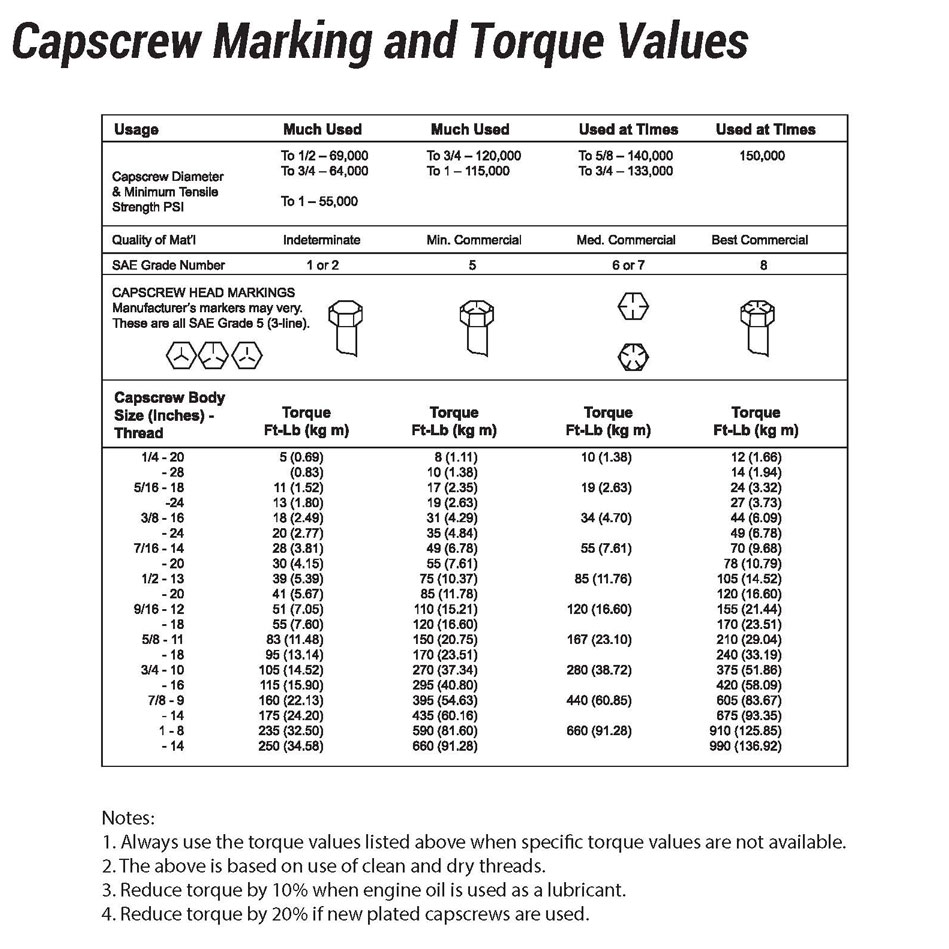
Check the PTO during the pre-operation inspection. Tighten bolts monthly according to the Capscrew Marking and Torque Values Chart.

What size driveline does my water truck use?

Driveline length varies depending on the truck and water tank size. Measure from the pump yoke’s tip to the PTO yoke’s tip for the most accurate measurement.

Where can I get new safety decals for my Ledwell equipment?

We offer decal kits for every piece of equipment we manufacture. Contact our Parts Department for decals specific to your unit.

Does Ledwell sell parts for their equipment?

Contact our Parts Department for a quote on parts for any piece of Ledwell truck bodies or trailers.

Remember, properly understanding and maintaining your equipment are essential for ensuring its longevity and optimal performance. Please don’t hesitate to contact our knowledgeable team at Ledwell if you have further questions or need assistance. Thank you for choosing Ledwell, where quality and reliability meet expertise.

Why Ledwell is Your Go-To Choice for Water Trucks

You’re knee-deep in work on the construction site and need a water truck that can keep up. That’s where Ledwell steps in. We’re not just about selling you a piece of equipment; we’re about ensuring you’ve got what you need when you need it and at a quality that’ll last.

Here’s the deal: Ledwell’s got your back when you’re in a bind and need a water truck fast. No more waiting around for the other guy—we’re all about getting you primed, ready, and back to work in no time.

And hey, we get it. Downtime costs money, plain and simple. That’s why our team at Ledwell is all about hustle. We don’t mess around when you’ve got questions or need service. We get it done, ensuring you’re back up and running before you can finish your coffee break.

Now, let’s talk parts. We know you don’t have time to twiddle your thumbs while waiting for essential components to appear. That’s why we manufacture over 85% of our parts in-house and ship out 99% of orders the same day. 

But here’s the real kicker: Ledwell doesn’t mess around when it comes to quality. We build our water trucks to last, plain and simple. Whether you’re on a rugged construction site or a sprawling farm, our trucks can take a beating and keep on ticking. That’s the kind of durability you can count on day in and day out.

At Ledwell, we’re all about pushing the envelope and finding innovative solutions to your problems. Need a custom fabrication? We’ve got you covered. Our team of experts will work with you to design equipment that meets your specific needs, no matter how unique.

But here’s the best part: when you do business with Ledwell, you’re not just buying a product. You’re joining a family of hardworking folks who’ve got your back. We’ve built strong partnerships in the industry, so you know you’ll always have the support you need wherever your work takes you.

So why Ledwell for your water truck needs? Because we’re more than just in the business of selling equipment. We’re in the business of helping you get the job done. We’re behind you for the long haul.

Join the Ledwell family today, and let’s tackle your toughest challenges together.

DOWNLOAD WATER TRUCKS 101 EBOOK

Find the right heavy haul truck. Rollback or HydraTail Truck
Comparing the Best: Rollback Trucks vs. HydraTail Trucks

Comparing the Best: Rollback Trucks vs. HydraTail Trucks

Manufacturer Ledwell Crash Truck TMA
The Power of a Crash Truck

The Power of a Crash Truck

Caught Working Safe: Making Safety a Way of Life at Ledwell

Caught Working Safe: Making Safety a Way of Life at Ledwell

Built to Stick: Inside the Graphics Department

Built to Stick: Inside the Graphics Department

How Section 179 and Bonus Depreciation Help You Write Off 100% of Equipment Costs

How Section 179 and Bonus Depreciation Help You Write Off 100% of Equipment Costs

Pre-Tariff Chassis Ready to Roll

Pre-Tariff Chassis Ready to Roll