

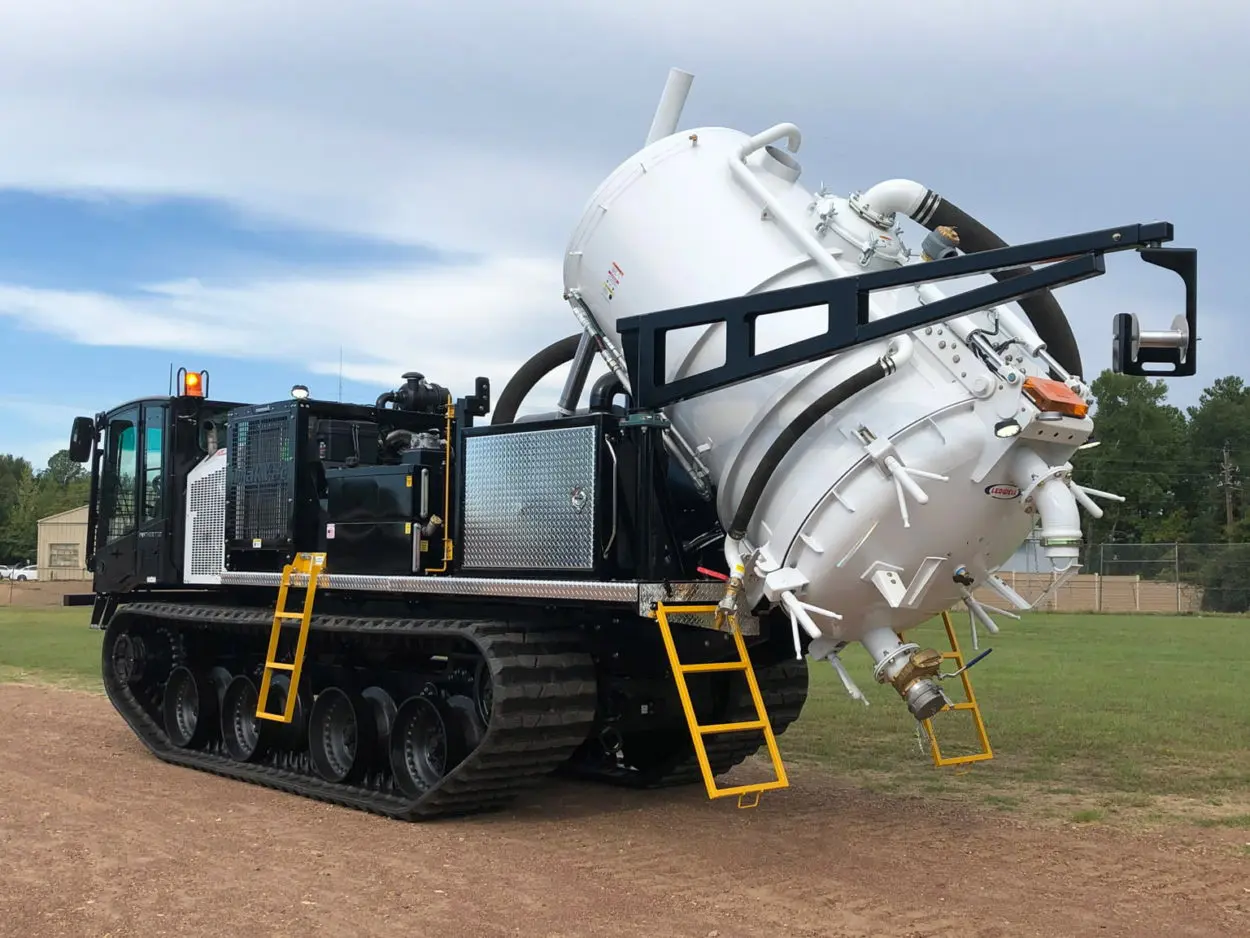
Partnership leads to new tracked hydroexcavator

hydro excavation system from Ledwell

In 2019, we had the opportunity to manufacture one of our vacuum tanks combined with a crawler carrier that could change an industry.

This project was similar to others- taking an idea and turning it into reality.

To provide a solution.

In Ledwell fashion, we ran towards the opportunity.

The Opportunity

When a hydro-excavation contractor needs to perform work in hard-to-reach or environmentally sensitive areas such as swamps or marshes, it is often difficult to use large trucks.

Mats can sometimes be placed down for the trucks to drive over to protect the environment from any damage the heavy machines may cause.

Those mats are heavy, bulky, and expensive, though, and they take additional time to utilize.

hydro excavation system from Ledwell

The Solution

However, through a collaborative effort with Ledwell & Son, PRINOTH and Pipeline & Utility Rental Equipment (PURE), the pipeline and utility industries have a new tool to make digging easier.

The TrakVac is a compact hydro excavator built by Ledwell and mounted on a PRINOTH crawler carrier buggy. It combines the agility of a crawler carrier to access hard-to-reach areas with low-impact vacuum technology where traditional digging is more difficult, especially close to underground utilities and pipelines.

The idea was to get a more compact hydro-excavation unit into some of the harder-to-reach or environmentally sensitive areas of pipeline construction.

“The total package of hydroexcavation with the ability to ‘Go Anywhere’ (which is PRINOTH’s slogan) makes the TrakVac a true initiative and an answer to the growing demands of the pipeline industry,” says Gary Gathright, Ledwell engineer.

An industry first, the TrakVac provides a solution for unique job sites. After countless hours of engineering, manufacturing, and perfecting, we are proud to share this innovation with the world.

Dig Different’s March issue features this unique machine as a Product Spotlight. Read more about it in Dig Different’s Product Spotlight.
Robotic Welder Plays Key Role in Production

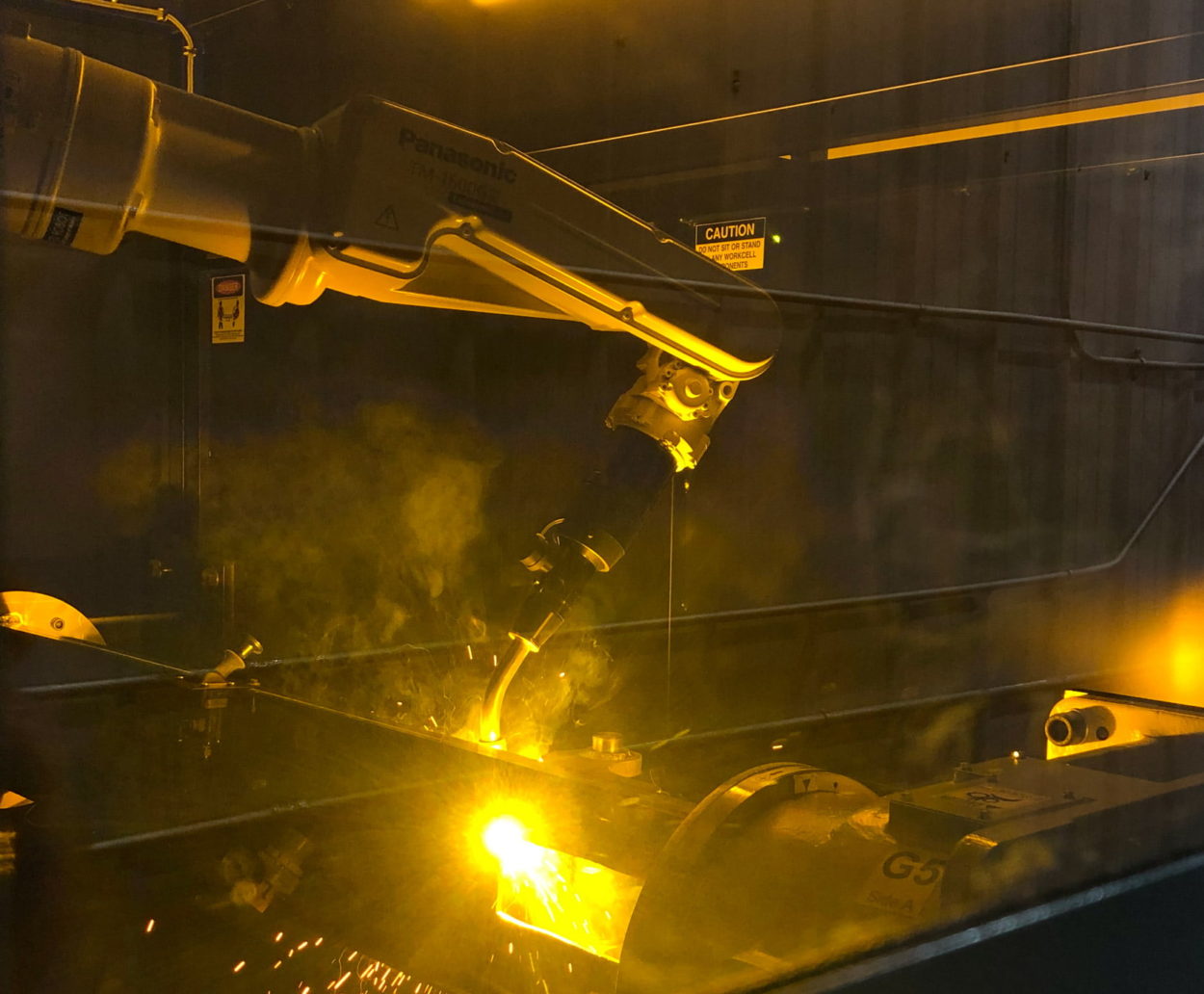
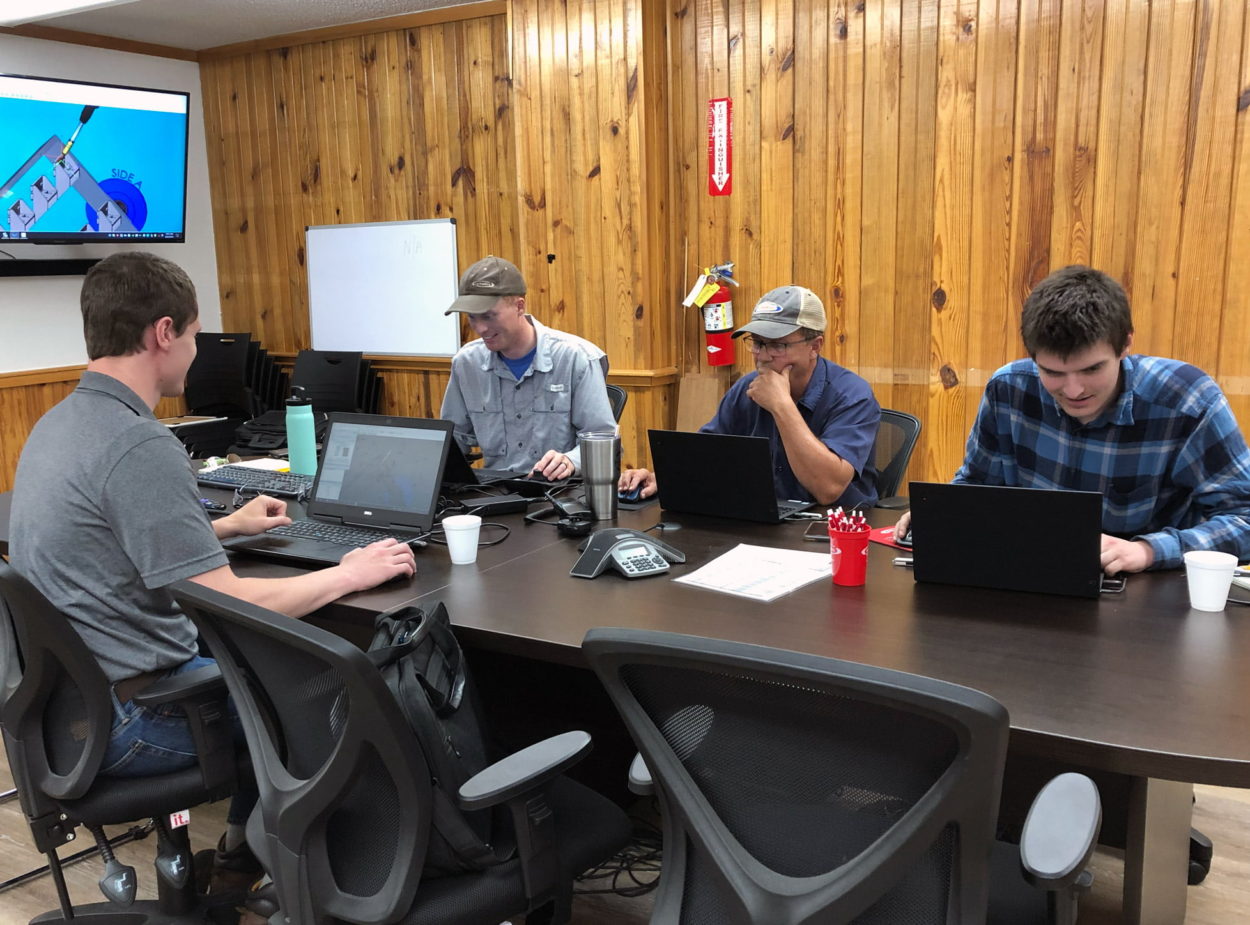
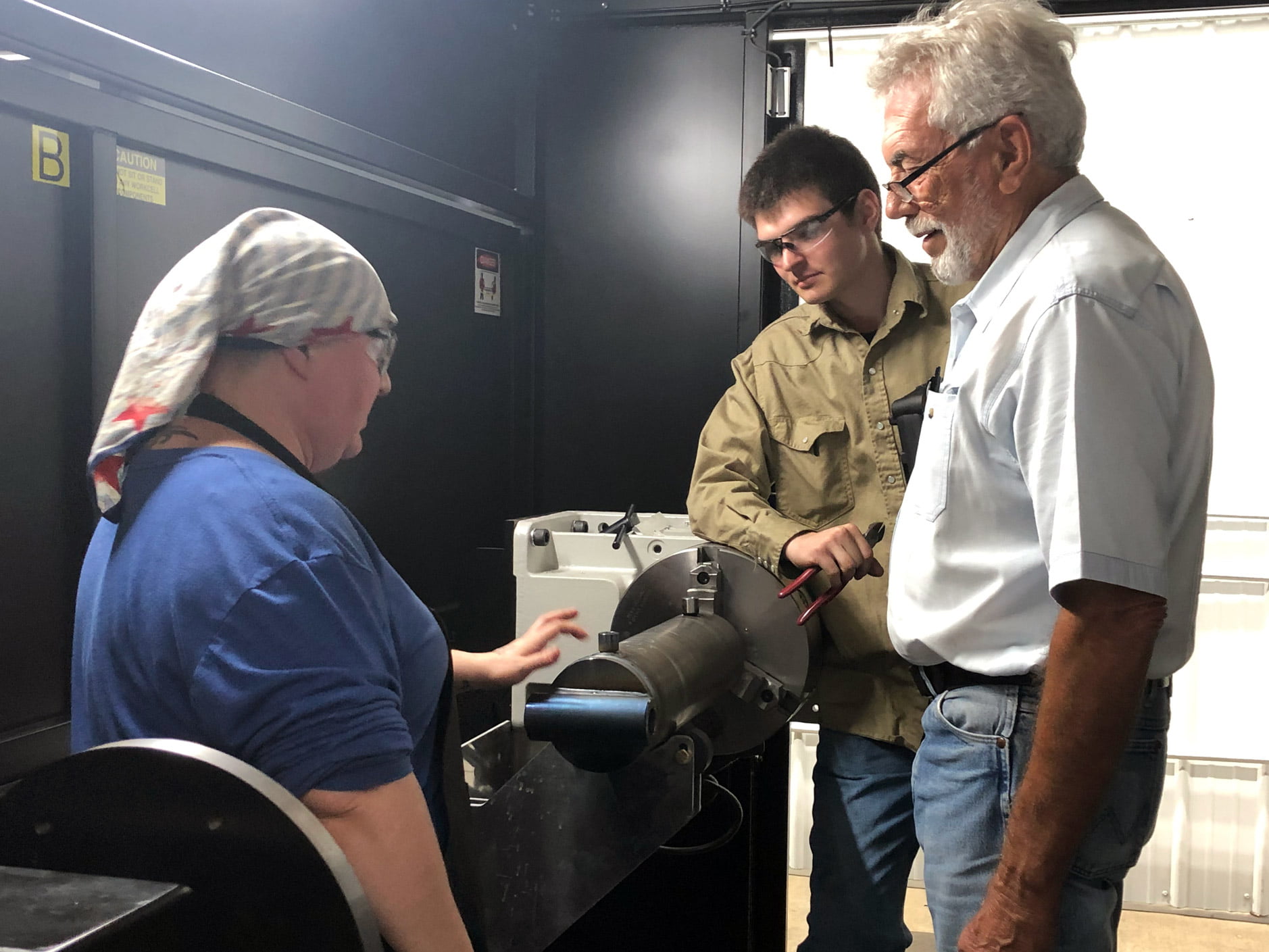
Training on Robot Welder

In the industrial world, a big word is efficiency – especially when it comes to manufacturing. One needs to be able to get parts, pieces, and products out fast and accurately. People are and will always be the key, but sometimes they need a little help to keep up with customer demands. That’s why Ledwell would like to introduce you to a new addition to our team – our Computer Numerical Controlled (CNC) Robotic Welder.

Our Robotic Welder is currently being used to produce over 30 types of parts – for example, our hydraulic cylinders.

We’ve decreased the time it takes to weld together a cylinder in half due to this innovation. The robot program knowledge is growing and soon will handle the output of our most highly produced parts.

This machine can move roughly three to four times faster than the average person with the accuracy and precision Ledwell requires. Where it might take a person 20 minutes to weld a single part, it would take the robot five.

The operator has two options in controlling this machine. They can either control it Offline, meaning they present a 3D model and provide commands, or they can teach the machine and guide its every movement. Either way, the Robotic Welder is non-stop.

The continuous movement is really what gives the machine an extra edge and makes it cool to watch!

Follow us on social media and you might see it in action.


CNC Robotic Welder
Program training on Robot Welder

First Response Team of America Responds to Natural Disasters

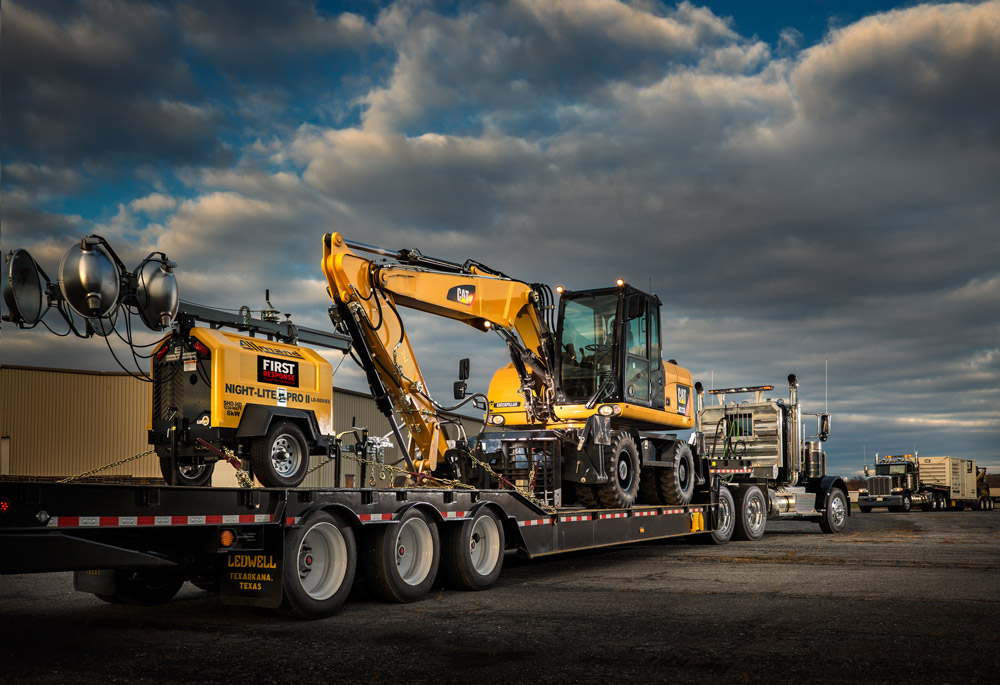
Ledwell Trailer loaded with First Response Team of America fleet equipment

In the face of devastating weather, communities unite, finding strength in support and assistance. When the worst strikes, the First Response Team of America emerges as a beacon of hope, dedicated to the task of rebuilding shattered lives and communities.

Their commitment knows no bounds as they meticulously track storm systems, anticipating their path and positioning themselves strategically to spring into action at a moment’s notice. With unwavering resolve, they work hand in hand with meteorologists and local authorities, ensuring a coordinated response that maximizes impact and efficiency.

Ledwell Trailer loaded with First Response Team of America fleet equipment

But their mission extends beyond mere response; it’s about restoration and renewal. In the aftermath of chaos, they bring much-needed aid, working tirelessly to pave the way for recovery and resilience.

At the heart of this remarkable effort lies individuals like their founder, Tad Agoglia, whose dedication and compassion inspire others to join in their noble cause.

Together, they embody the spirit of hope and resilience, proving that even in the darkest of times, there is light to guide the way forward.

Top 5 Tips on Telematics

The future is digital, and that includes how we keep track of equipment. Whether in the rental industry or construction, you want to know where your equipment is and how it’s performing. Rental Equipment Register put together a few industry experts’ tips on utilizing the most out of telematics and software.

What is telematics?


Telematics is a technology that monitors and gathers the logistics of a vehicle or an entire fleet. Telematics utilizes computer systems to collect data from various operation points, including location, driver behavior, fuel, and overall health.


Why should I consider using telematics?


There is always room for improvement, and we think these tips on telematics are just the way to help you do your job better. 

1: Make the right IT investment decision:

says Loren Carlson, operations manager, Star Rentals. “Once made, it is very costly to rectify,” Carlson says. “Make sure you have a clear understanding of the pain points of the current system, or lack of system. Establish a clear understanding of what you intend to improve, and how you will measure success. The best way to do this is to solicit input from every level and area of the company.” Once completed, this serves as the basis for evaluating IT options and helps to keep the evaluation discussion focused.

2: Create an implementation roadmap:

Once the IT decision is made, invest time in configuring it before it’s rolled out, to make the user interface as intuitive as possible, says Carlson. “It may be capable of great things, but if users struggle to adapt to it, your returns will be delayed while you waste time and energy pushing users to use it. The same applies with back-end system integration. Creating an implementation Roadmap ahead of time will ensure you realize the benefits as quickly as possible.”

3: Focus on impact, not just ROI:

As you evaluate IT options, think about who and what will benefit from technology first, says Martin Roath of ZTR Control Systems. “Some benefits will be easy to quantify, while others may be more financially intangible,” Roath says. “For example, technology benefits could affect culture or customer experience in undeniable ways that are difficult to measure in dollars.”

4: Consider application flexibility:

As time passes, requirements for IT can change so be sure to look for solutions that don’t limit your future, says Roath. “As you think about your people, processes, and other business systems, be sure to consider integration capabilities that connect your business systems together,” he says.

5: Develop a training support structure:

Make the structure accessible to everyone in the company. “This can be scaled to any size business, but the key is to have expert level assistance readily available,” Carlson says.

These five tips are just the beginning. Over two dozen experienced industry professionals helped put together 50 telematics tips. We hope these help your company become more effective. Learn how even the slightest change with telematics and software can make a world of difference.

Read about all 50 tips from Rental Equipment Register.