

Fire Fighting Industry Trucks
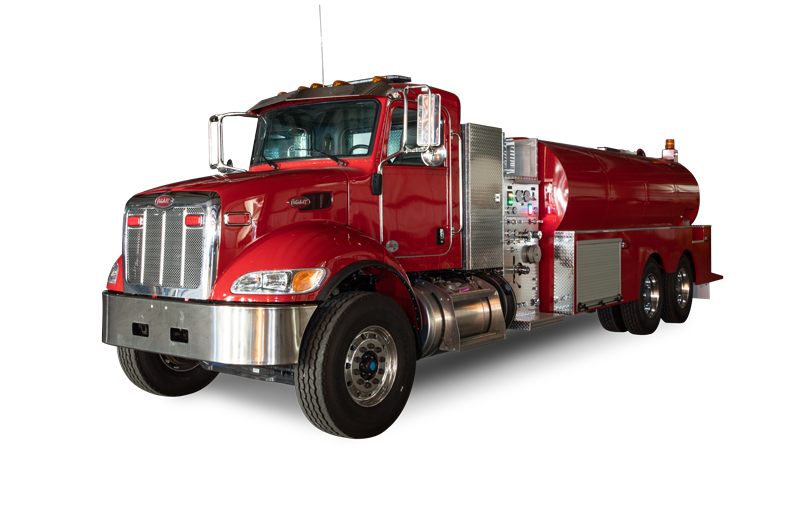
LEDWELL FIRE TRUCKS STAND UP TO THE HEAT
And at Ledwell, we understand what it means to build fire trucks that stand up to the heat.
Ledwell’s precision-built Water Trucks and Brush Trucks provide optimum safety and performance. Every feature built into our Brush Trucks and NFPA-compliant Tankers for the fire industry is engineered to maximize your team’s efficiency and effectiveness when containing and stopping the spread of fire.
Not just well made. Ledwell made.
GRANT OPPORTUNITY:
The Rural Volunteer Fire Department Assistance Program
The Rural VFD Assistance Program provides funding to VFDs for the acquisition of firefighting vehicles, fire and rescue equipment, protective clothing, dry-hydrants, and firefighter training. The program also provides grants for volunteer recruitment resources and emergency assistance following catastrophic events and declared states of disaster.
Recognized, non-profit volunteer fire departments operated by its members are eligible. Any part-paid/part-volunteer fire department is also eligible if the number of paid members is 20 or fewer. The fire department must be a recognized fire department, located in and operating within a designated primary protection area as assigned by the county. Primary protection areas cannot overlap. The fire department must be in good standing with the State of Texas and the agency. To receive grants utilizing federal funds, receiving departments must meet additional federal requirements.
Established by the 77th Texas Legislature in 2001, the program has been successful in helping fire departments get the vehicles, training, and equipment they would otherwise not have had access to. Due to its usefulness to the fire service of Texas, the request volume far exceeds the program’s yearly funding. Therefore, while we would like to fund every request, it unfortunately takes some time to help every department in need.
Top Selling Fire Trucks, Water Trucks, and Rescue Trucks
”I can’t express enough of dealing with a company or person that under stands urgency and have the common sense to get it right or make the deal right without asking…thanks for having a great team at Ledwell.
Keith HillService Manager
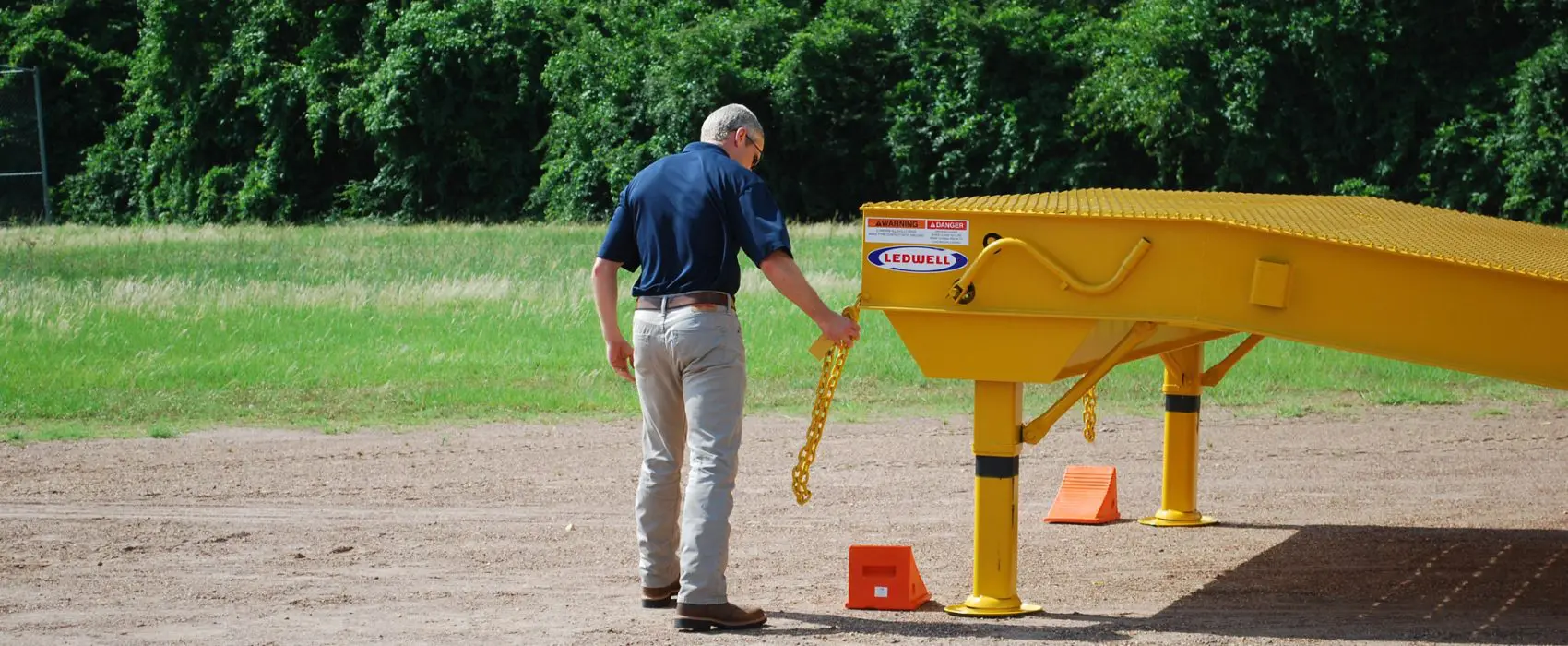
Maintenance Schedule Helps Achieve Peak Performance
Maintenance Schedule Helps Achieve Peak Performance
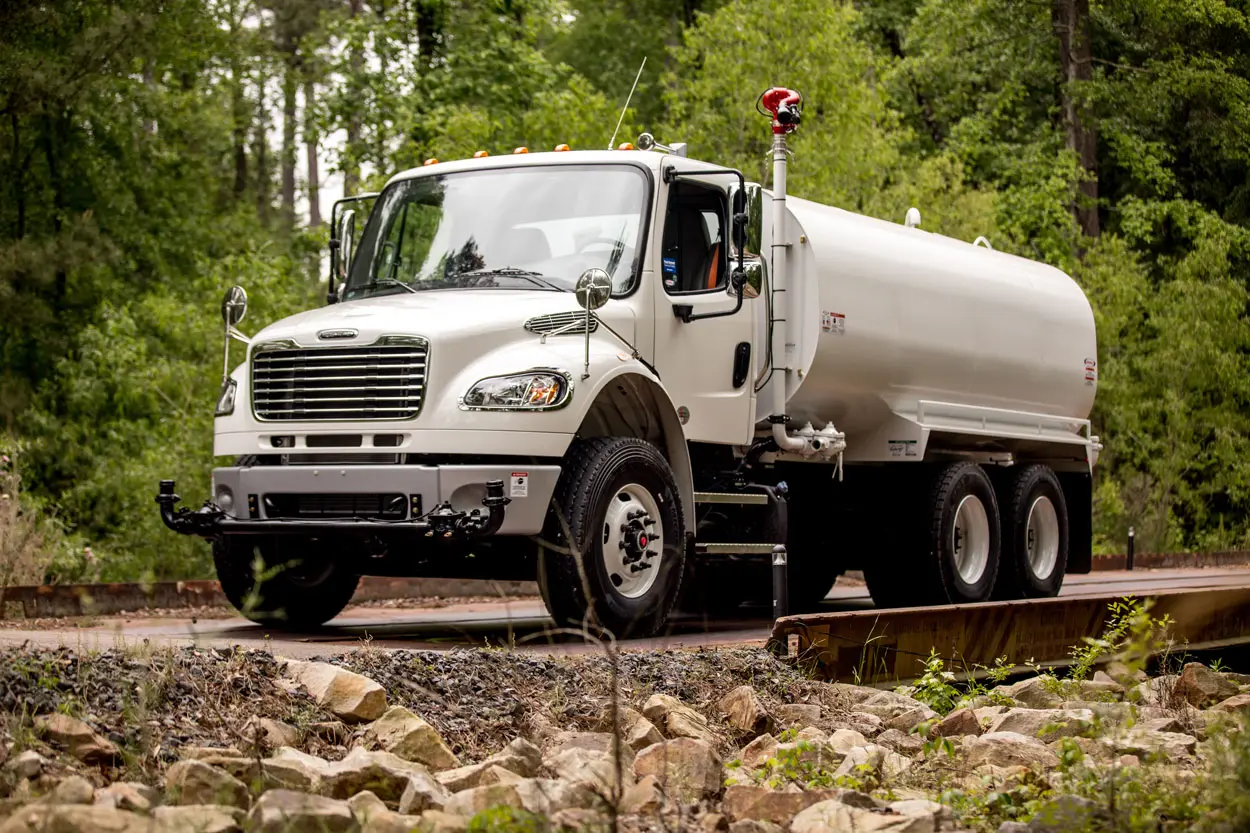
Strategic Partnership Helps Lonestar Truck Group, Ledwell Grow Together
Strategic Partnership Helps Lonestar Truck Group, Ledwell Grow Together
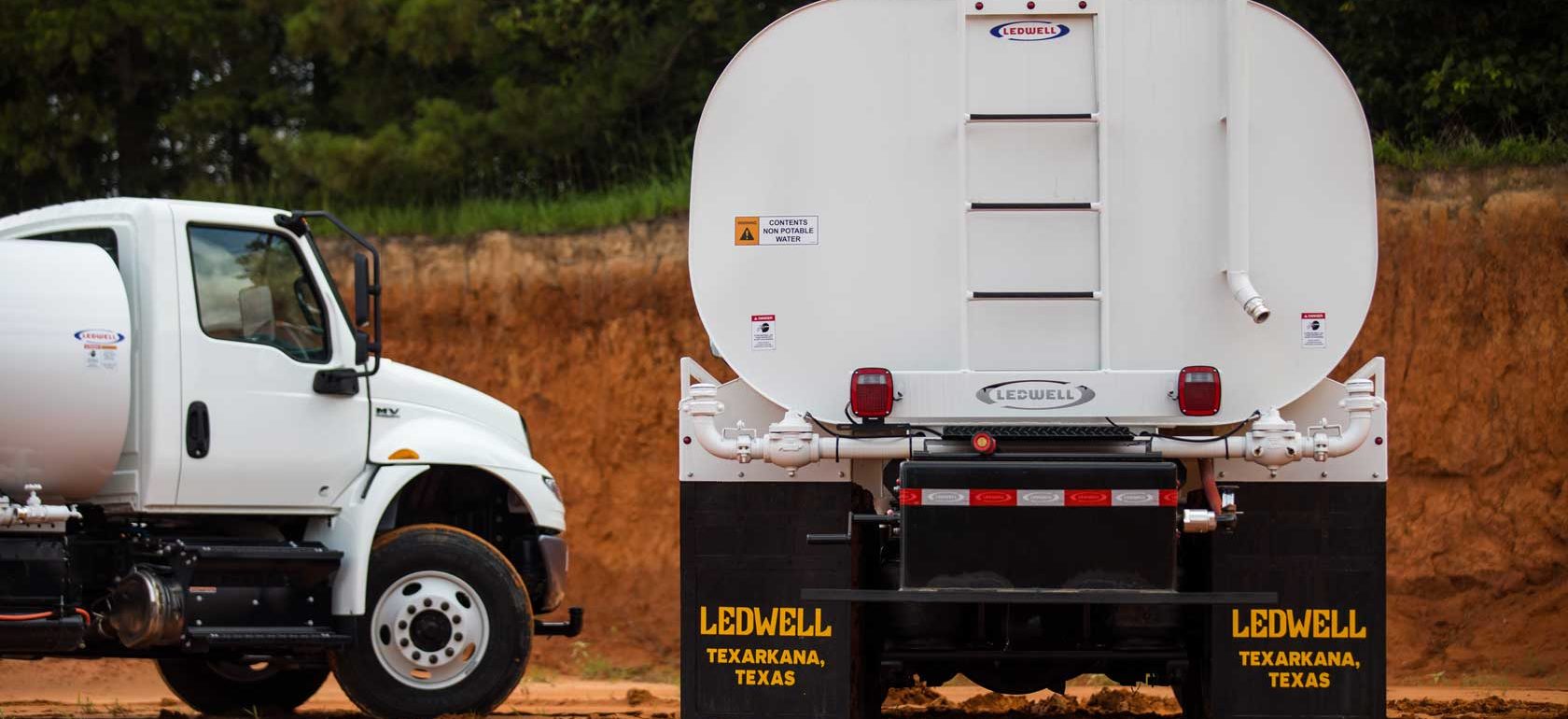
Top 5 Qualities to Look for in a Water Truck
Top 5 Qualities to Look for in a Water Truck

Change in Season: Time For Preventative Maintenance
Change in Season: Time For Preventative Maintenance
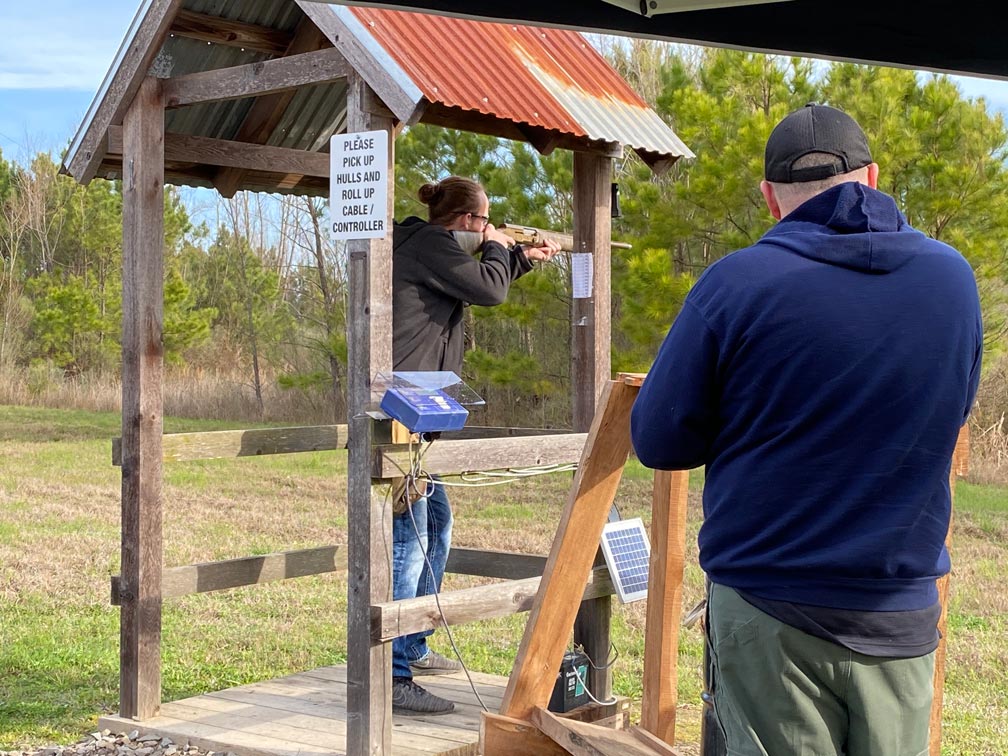
Employees Support ArkLaTex 100 Club at Annual Sporting Clay Tournament
Employees Support ArkLaTex 100 Club at Annual Sporting Clay Tournament
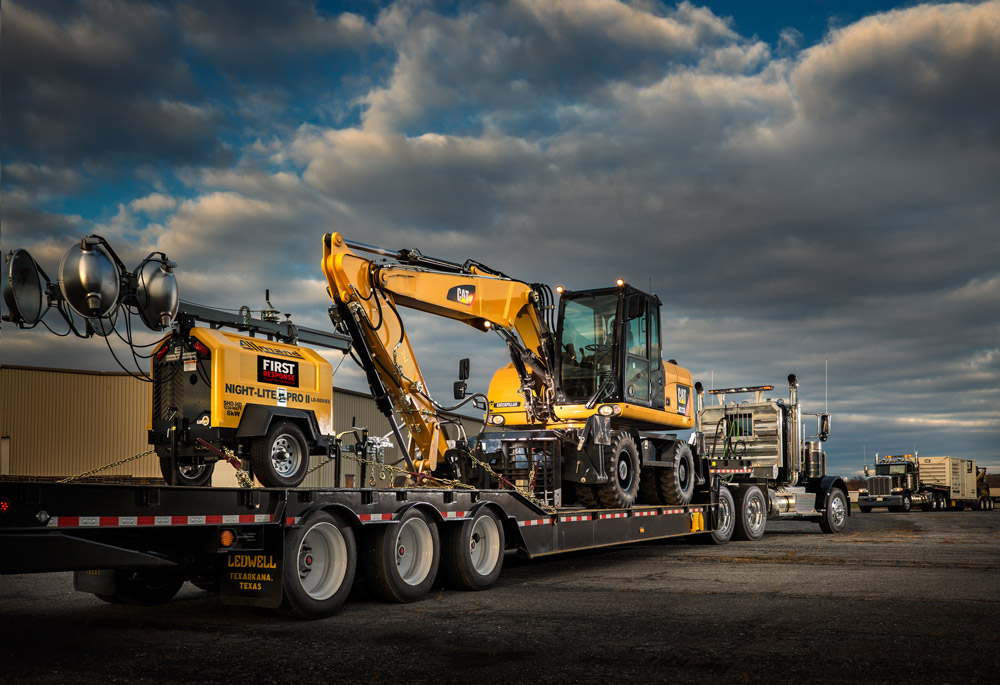
First Response Team of America Responds to Natural Disasters
First Response Team of America Responds to Natural Disasters
Fire Industry Resources
Ledwell Water Trucks 5:25
We are industry leaders when it comes to optimizing water tank performance and lifespan.
Why Ledwell 3:10
Learn about the people behind Ledwell’s trucks and trailers.

Ledwell Builds What You Need 0:22
Ledwell is the leading custom truck body and trailer manufacture.
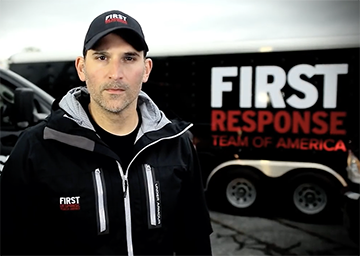
Ledwell Supports First Response Team of America 4:42
Learn how Ledwell helped the First Response Team of America customize trailers to transport all of their lifesaving equipment.
Water Trucks Frequently Asked Questions
How do you operate a water truck?
Learn to operate your Ledwell Water Truck correctly to extend the life of your equipment by following the How To Operate A Water Truck Guide or watching this operation video.
Walk around the entire truck to perform a pre-trip inspection. Be sure to check the following: Wheels & tires, PTO for leaks, Driveline for connection, Pump bolts are tightened, and has slow drip at packing.
Primer Tank Valve to be closed if filling via fire hydrant or top fill
To fill tank: Fire Hydrant
Connect the hose with cam lock to fill the pipe at the rear of the tank.
Connect the other end of the hose to a fire hydrant.
Turn hydrant on to begin filling.
While filling the tank, beware of the Road Limit gauge at the tank’s front driver side.
To fill tank: Top Fill
Open manway lid at the top of the tank, if applicable.
Center opening of the tank with the opening of water source
To fill tank: Suction Hose
Close 4″ butterfly valve on the suction side of the pump.
Remove cam lock from suction pipe and attach fill hose.
Open the primer tank valve and allow water to fill the system.
Pull the bleeder valve to allow air to escape.
Engage PTO Set RPM to 1,800 – 2,000 to begin filling the tank.
Once the tank is full, Disengage PTO.
Shut primer tank valve.
Remove the fill hose and replace the camlock cap.
Open 4″ butterfly on suction.
To begin spraying:
Attach side spray, if desired Engage PTO and put the truck in gear.
Pull valves in the cab to activate nozzles – Front/Rear/Side.
Drive as needed to perform spray – being mindful of water movement in the tank
CAUTION: At high engine RPM, do not close all spray valves at once.
Disengage PTO
To spray via Hose Reel:
Engage PTO.
Manually open the gate valve at the rear passenger side of the tank.
Adjust nozzle as needed.
Disengage PTO
What should the output of my water truck be?
The pump on a Ledwell water tanker is set up to pump around 400GPM at 2000RPM engine speed with about 55PSI at the spray heads.
At this engine speed, you should receive a spray pattern of 55′ wide by 30′ deep and a side spray 65′ to 75’out.
Most PTOs are in the 111% to 126% range. The pump will peak at 2400-2500RPM (pump speed).
What size drive line does my water truck use?
Drive lines vary in length depending on the truck and water tank size.
Measure from the pump yoke’s tip to the PTO yoke’s tip. This measurement will be the most accurate for a new drive line.
How do I adjust the cables on my water truck?
The cables on a manual water truck stretch some initially after use. If leaking occurs at outlets, you might need to adjust the cables.
Follow these steps to adjust water truck cables:
Remove the clevis pin in the cable connection to the valve. Ensure that the valve is free of debris.
Close the valve completely with a wrench.
Shift in-cab handle to the closed position.
Adjust the cable housing using the two jam nuts on the mounting bracket until the pinhole in the clevis lines up with the hole in the valve lever.
Install the pin.
Check for closure by opening and closing. Fine-tune adjust as needed.
One of the corner spray heads on my 4000 Gallon Water Truck will not shut off. What should I look for?
The air valves on the 4000 Gallon Water Trucks require air to close. If the air supply going to the valve is obtruded or leaking, the valve may not close.
There could also be debris stuck holding the valve open.
Why won’t the PTO on my Automatic transmission truck come on when I flip the switch?
On automatic transmission PTOs, the PTO clutch-pack is supplied oil under pressure from the transmission when 12 volts is applied to a solenoid valve mounted at the PTO.
On 2000-gallon water trucks, this power comes from the switch through an inline fuse between the switch and the battery.
4000-gallon water trucks with air controls in the cab, the 12v comes from an air contact switch at the battery with an inline fuse.
The air control in the cab closes the contact switch supplying 12v to the PTO.
In both cases, you must adequately ground the solenoid ground wire. The contact that turns on the PTO light is a grounding switch that closes when oil pressure is present, turning on the light.
If the light is on, the solenoid is working.
My pump turns when my truck is in neutral idling but it stops pumping when I put the transmission in drive, why is that?
On trucks equipped with automatic transmissions such as Allison 2500RDS, the PTO gear drives from the torque converter side of the transmission, and it stops when placed in drive at idle.
You must add RPMs to lock the torque converter, usually 1000 to 1100 RPM engine speed, and the PTO will turn the pump again.
My valves are open, water is flowing, and my pump is turning… Why am I not getting any pressure?
The centrifugal pumps on your water truck are rugged and reliable industry standard pumps, but any part can break.
Impacting derbies in the intake can jam or break the impeller.
Also, sudden start-ups under load, such as manual clutch transmission PTO, can shear the impeller shaft key and retaining nut allowing the impeller to spin freely on the shaft.
To check for this condition, close the main intake valve, open the cap on the suction intake and visually inspect the impeller. Look for signs of damage or broken retaining bolts.
Can I haul and spray other liquids with my water truck?
Our tanks are lined with Lifelast coating to protect the tank from corrosion. This coating is tolerant of most chemicals with the exception of strong acids, aromatic hydrocarbons, ketones and chlorinated solvents. Always check the content before loading your tank with water mixed products.
My pump will not pump from a water source for self loading…
The most common problem is the foot valve on the end of the suction hose. If this valve is not holding and all the priming water runs out of the pump, the pump will not prime. When priming the pump from the primer tank you must fill the suction hose and pump and bleed the air from the pump with the air valve at the top of the pump before you start up.
The air control console in my 4000g is leaking air around the knobs that control my spray heads…
These slide valve knobs are aluminum in construction with ball detents released by the button on top and over time they can be damaged by dirt and rough handling. Slapping the spools down to close them will cause the ball detents to bend the spools causing a leak. Dirt and contaminates can enter the valve from the top and scratch the spools also if not keep clean.
The pump on my water truck is leaking. How do I fix that?
The pump is designed to leak in order to wet the packing and keep it cool. It should drip 40 to 60 drops a minute. It’s adjustable with the packing gland ring and the two threaded studs holding it. When all the adjustment is taken up, then it is time to replace the packing.
Why does my pump spray good for a short time then just die down to nearly nothing?
The most common cause is debris in the tank obstructing the pump intake. The pump will pump all the water in the lines then the intake flow slows or stops. There is a screen in the bottom of the tank at the outlet and when filling from a pond or canal, it can become obstructed with debris . Clean this screen and proper pump flow should return.